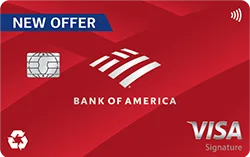
Bank of America relaunches the Atmos Rewards business card with a $195 fee
Bank of America relaunched the Atmos Rewards business card on Nov. 18, 2026: $195 per company, 90,000 bonus points and 10x on Atmos for Business flights.
What changed, what it means, and what to do about it. Every story is checked against the issuer's own pages.
Bank of America relaunched the Atmos Rewards business card on Nov. 18, 2026: $195 per company, 90,000 bonus points and 10x on Atmos for Business flights.
Chase's Air Canada Aeroplan card now has a $195 annual fee and adds automatic Aeroplan 25K status, a $100 Air Canada credit and 15% off award flights.
Chase Freedom Flex pays 5% at grocery stores (not Walmart or Target) and top streaming services in Q1 2027, on up to $1,500. Activation opens Dec. 15.
Chase Freedom and Freedom Flex pay 5% at grocery stores, on dining and on American Red Cross donations Oct. 1 to Dec. 31, 2026. Activate by Dec. 14.
From Sept. 21, 2026, Chase Freedom Flex has no foreign transaction fee and adds Points Boost offers worth up to 10% more on select Chase Travel hotels.
From Aug. 23, 2026, the Citi / AAdvantage Executive card costs $695 for new cardmembers, up from $595, with new Lyft, Avis and Omni Hotels benefits.
From Jan. 24, 2027, the Citi AAdvantage Platinum Select and Business cards cost $150 a year, up from $99, and add new earning categories and credits.
Fanatics opened a U.S. waitlist for its no-fee American Express card on Nov. 9, 2026. It earns 5% FanCash at Fanatics stores and 2% on other purchases.
Chase refreshed its IHG cards on Oct. 1, 2026 and added a $350 Premier Select. Fees, bonuses, earning rates and credits of all four, side by side.
Navy Federal's new Flagship Premier Visa Signature pays 4X on travel and 3X on dining for $95 a year, with a $100 airline credit and a 50,000-point bonus.
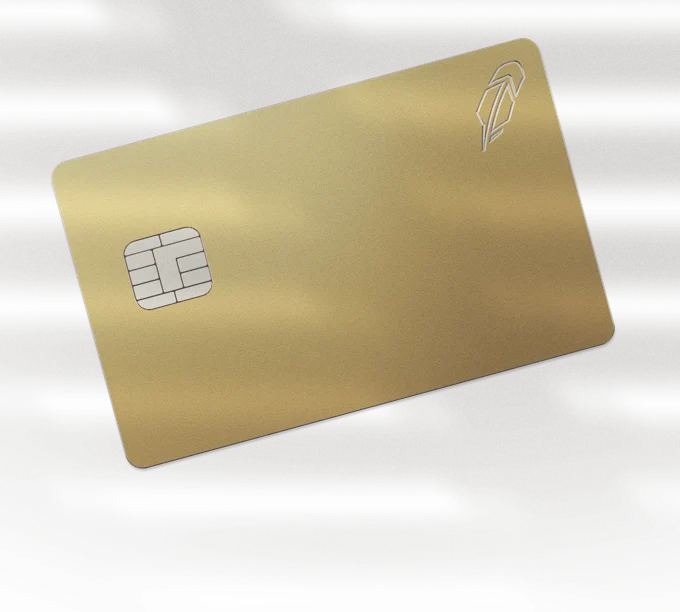
Robinhood began inviting customers to its $695 Platinum Card on July 22, 2026. It pays 5% on dining and up to 10% on travel booked through Robinhood.
Samsung's first U.S. credit card, issued by Barclays, pays 5% at Samsung and 3% via Samsung Wallet, with no annual fee. Open to applications since July 22, 2026.
U.S. Bank's new Business Essentials cards pay unlimited 2% cash back. The $295 Plus version adds 5% on your top spend category, up to $200,000 a year.
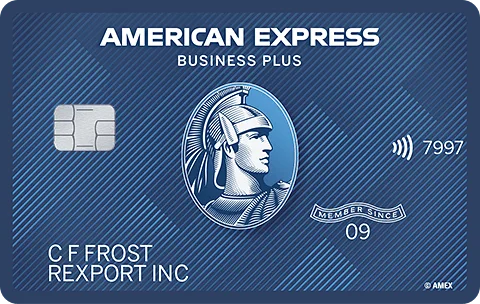
Blue Business Plus review: 2x Membership Rewards on the first $50,000 a year for $0, but as a statement credit that's 1.2%. Who should pick it anyway.
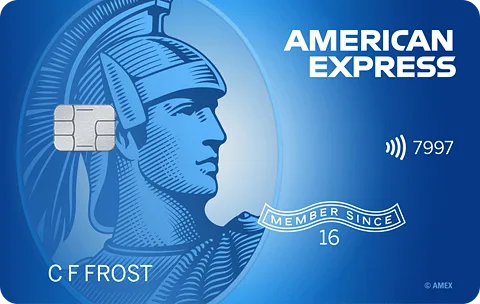
Blue Cash Everyday review: 3% at U.S. supermarkets, U.S. online retail and U.S. gas stations (each up to $6,000 a year), no annual fee, $150 welcome offer.
Blue Cash Preferred review: 6% at U.S. supermarkets on up to $6,000 a year, 6% on select streaming, 3% on gas and transit, $0 the first year, then $95.
Delta SkyMiles Gold review: first checked bag free on Delta, 2x on dining, U.S. supermarkets and Delta, $0 the first year, then $150. Who should get it.
Amex Gold review: 4x at restaurants and U.S. supermarkets, $424 a year in credits that come monthly and twice a year, and a $325 fee. Who it pays off for.
Hilton Surpass review: 12x at Hilton, 6x on dining, groceries and gas, a $200 Hilton credit, Gold status and a free night after $15,000 a year, for $150.
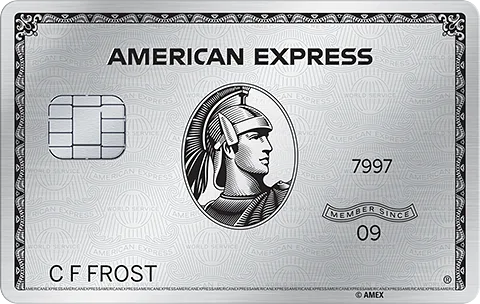
Amex Platinum review: lounge access, 5x on flights and up to $2,694 a year in credits, but an $895 fee and credits split into monthly and quarterly pieces.
Apple Card review: 2% Daily Cash with Apple Pay, 3% at Apple and select merchants, 1% with the titanium card, no fees of any kind and no welcome bonus.
Bank of America Customized Cash Rewards review: 6% in a category you pick in year one, then 3%, 2% on groceries, a $2,500 quarterly cap and a $200 bonus.
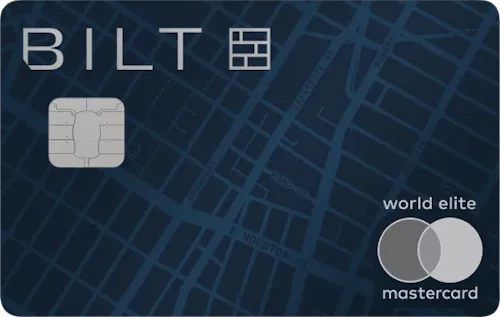
Bilt Blue, Obsidian and Palladium review: points on rent and mortgage with no transaction fee, $0 to $495 annual fees, and how housing points work.
Capital One Quicksilver review: 1.5% on every purchase, a $200 bonus, 0% intro APR for 15 months and no annual or foreign fees. When a 2% card beats it.
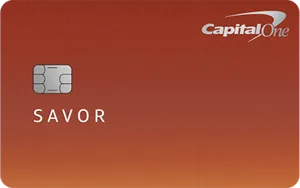
Capital One Savor review: 3% at grocery stores, dining, entertainment and streaming, a $200 bonus and no annual or foreign fees. Who earns more elsewhere.
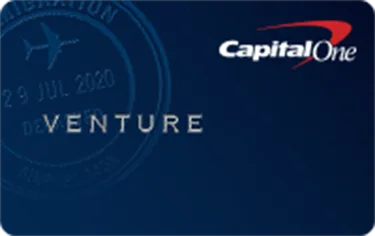
Capital One Venture Rewards review: 75,000 miles plus a $300 first-year travel credit, 2x on every purchase and no foreign fees for $95 a year.
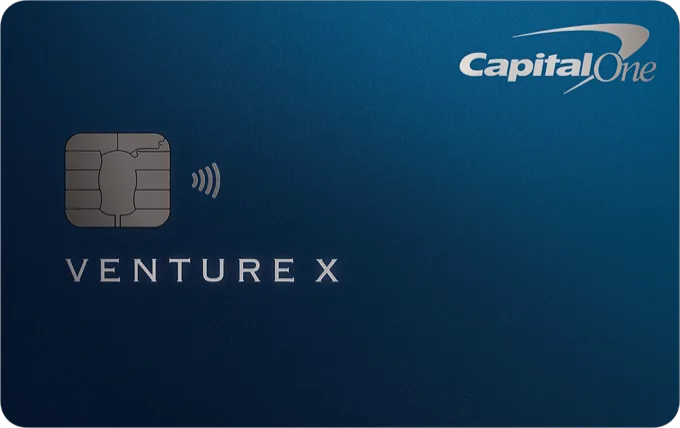
Capital One Venture X review: 2x miles on everything, a $300 travel credit and lounge access for $395 a year. Who it suits and who should skip it.
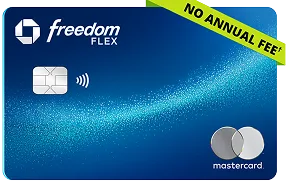
Chase Freedom Flex review: 5% on up to $1,500 a quarter in categories you activate, 3% on dining and drugstores, 1% elsewhere, no annual or foreign fees.
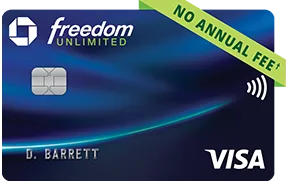
Chase Freedom Unlimited review: no annual fee, 1.5% on everything, 3% on dining and drugstores, a $200 bonus. The catch: a 3% foreign transaction fee.
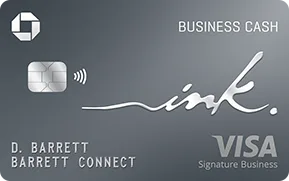
Ink Business Cash review: $0 fee, 5% on the first $25,000 at office supply stores and on internet and phone, a $750 bonus, but a 3% foreign fee.
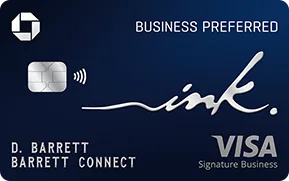
Ink Business Preferred review: 100,000 points ($1,000 cash) after $8,000, 3x on ads, shipping, phone and travel up to $150,000, $95 a year, no foreign fee.
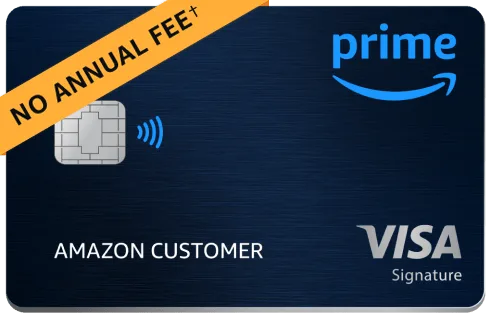
Prime Visa review: 5% back at Amazon and Whole Foods with Prime, 2% on dining and gas, no annual fee and no foreign fees. Who should get it, who shouldn't.
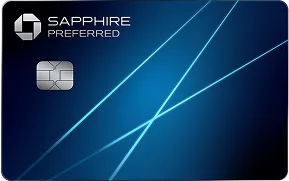
Is Chase Sapphire Preferred worth it? A 75,000-point bonus worth $750 in cash, 3x on dining and a $100 hotel credit for $95 a year, and who should skip it.
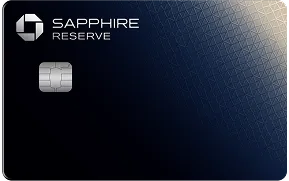
Is Chase Sapphire Reserve worth $795? The $300 travel credit, lounges and up to 2x Points Boost help, but most credits take effort. Who should skip it.
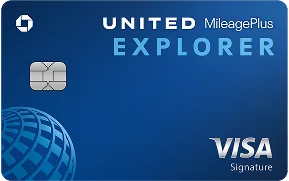
United Explorer review: free first checked bag for you and a companion, 2 United Club passes a year, $0 the first year then $150. Who it pays off for.
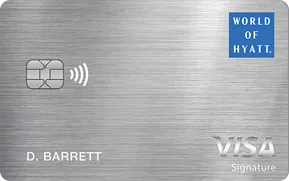
World of Hyatt card review: an annual Category 1-4 free night and Discoverist status for $95, 4 free nights as a welcome offer, and who should skip it.
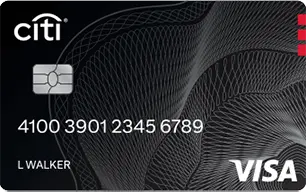
Costco Anywhere Visa review: 5% on Costco gas, 4% on other gas, 3% dining and travel, 2% at Costco. Rewards come once a year as a Costco certificate.
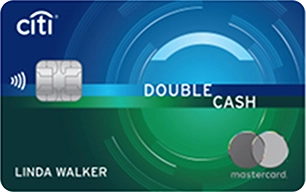
Citi Double Cash review: 2% cash back on every purchase (1% when you buy, 1% as you pay), no annual fee, but a foreign transaction fee. Who should skip it.
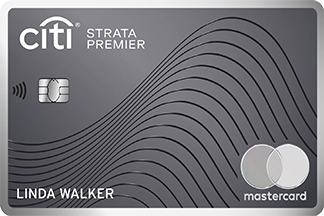
Citi Strata Premier review: 3x on dining, groceries, gas and air travel, a $100 hotel benefit and no foreign fees for $95. The catch is point value.
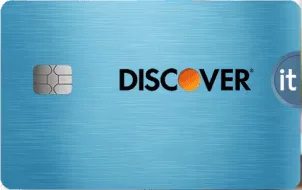
Discover it Cash Back review: 5% quarterly categories up to $1,500, a first-year Cashback Match, a $200 bonus, no annual fee, and the catch after year one.
Robinhood Gold Card review: 3% back on every purchase for a $50-a-year Gold membership, best redeemed into a Robinhood brokerage account.
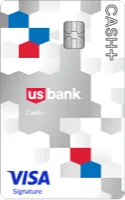
U.S. Bank Cash+ review: 5% on two categories you pick, such as utilities and cell phone, up to $2,000 a quarter, 2% on one more, and a $200 bonus.
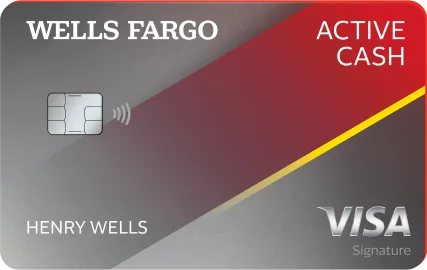
Wells Fargo Active Cash review: 2% cash rewards on everything, a $100 bonus, cell phone protection and no annual fee, but a 3% foreign transaction fee.
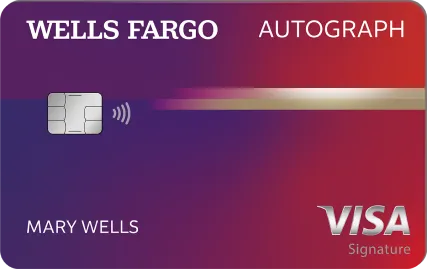
Wells Fargo Autograph review: 3x on restaurants, travel, gas, transit, streaming and phone plans, a 20,000-point bonus worth $200 and no foreign fees.
United, Delta, American, Southwest, JetBlue and Air Canada cards waive the first checked bag. How many companions each covers, and the conditions.
Which credit cards include airport lounge access, from Priority Pass to Centurion, Sky Club and United Club, plus the guest and visit limits that apply.
All Amex Membership Rewards transfer partners from Amex's own page: 15 airlines, 4 hotel programs and Fanatics, with ratios, minimums, times and fees.
Amex may deny a welcome offer if you have or have had the card or related ones. Which cards each rule covers, and why the order you apply in matters.
An annual fee card is worth it when the extra rewards and credits you'll use beat the fee. Worked examples with Amex and Chase cards and the break-even.
Most cards earn the same whether you tap your phone or the plastic. Apple Card pays 2% with Apple Pay and 3% at select merchants. What to know first.
An authorized user gets a card on your account but owes nothing; you pay the bill. How it can help or hurt their credit, and what to check first.
A balance transfer moves debt to a new card at a low or 0% intro rate, usually for a fee. How the math works, the six-month legal minimum and the traps.
U.S. Costco warehouses and gas stations take Visa credit cards only; Costco.com also takes Mastercard. Which Visa cards earn the most at Costco.
Yes. Freelancers, gig workers and sole proprietors can apply with their SSN and own name, even with $0 revenue. What issuers ask and what you agree to.
Capital One miles transfer to 19 airline and 4 hotel programs, most at 1:1. The full list with ratios, which cards can transfer, and the rules.
Cash back is worth exactly what it says. Points and miles can be worth more or less, depending on how you redeem. A side-by-side with real card numbers.
Credit cards with cell phone protection pay $600 to $1,000 per claim if your phone is stolen or damaged, but only if you pay the phone bill with the card.
Chase transfers points to 10 airlines and 4 hotel programs, most at 1:1. Which cards can transfer, the new 4:3 Hyatt rate, and the rules to know first.
Citi ThankYou points transfer to American, JetBlue, Virgin Atlantic, Singapore and others, plus Choice and Wyndham. What Citi publishes and the rules.
Chase lets you move points from Freedom cards to a Sapphire card for free, to your own cards or one household member. How to do it and when it's worth it.
Pay your full statement balance by the due date every month and most cards charge no interest on purchases. How the grace period works and how you lose it.
Preapproved and prequalified credit card offers use a soft check and don't hurt your score, but neither guarantees approval. How the issuer tools work.
How statement credits on premium cards work: monthly, quarterly and yearly resets, enrollment, up to 8 weeks to post, and how to count what you'd use.
How credit card travel insurance works: what trip delay, cancellation and baggage coverage pay on Chase Sapphire cards, and what decides a claim.
Credit utilization is your card balances divided by your limits. It's 30% of a FICO Score; the CFPB says top scorers often stay under 10%. How to lower it.
Use your EIN if you have one; if not, most business card applications accept your SSN. Either way the issuer checks your personal credit.
A foreign transaction fee adds up to 3% to purchases abroad or from foreign merchants. How it works, why to pay in local currency, and cards with no fee.
Gas at warehouse clubs often earns only 1% on gas rewards cards. Which issuers exclude it, why the pump code matters, and the card that pays 5% at Costco.
Global Entry costs $120 for five years and TSA PreCheck $85 or less. These cards refund the fee, most up to $120 once every four years.
Walmart and Target aren't coded as supermarkets, so most grocery cards pay just 1% there. Which cards exclude them and what to use instead.
A hard inquiry follows a credit application and can cost a few points for a year. A soft inquiry, like checking your own credit, never affects your score.
Hyatt, Marriott, Hilton and IHG cards give a free night each year or after a spending target. Caps, expiry dates and resort fees, card by card.
A Chase point is worth 1 cent in cash, an Amex point 0.6 cent, and Hilton publishes no fixed value. The official cash value of each card rewards program.
Rotating 5% cards pay on $1,500 to $2,000 a quarter, only after you activate. How Freedom Flex, Discover it and U.S. Bank Cash+ differ, and the traps.
To dispute a credit card charge, write to your issuer within 60 days of the statement that shows it. What counts, what to send and what the bank must do.
Landlords typically charge 2% to 5% to take rent by credit card, more than most cards earn. How to pay rent with a card without the fee, and when not to.
Every U.S. card application must show a standard table of rates and fees, often called the Schumer box. What each row means and what to check first.
How to redeem Amex points: 1 cent on flights via Amex Travel, up to 1 cent on gift cards, 0.7 cent on prepaid hotels, 0.6 cent as a statement credit.
Chase points are worth 1 cent as cash, gift cards or Chase Travel, and up to 1.5x or 2x with Points Boost on Sapphire cards. When each option wins.
Sapphire Reserve, Amex Gold, Business Platinum and Apple Card come in metal or titanium. What a metal card changes (weight, disposal) and what it doesn't.
Paying utility, phone and internet bills with a credit card can earn 2% to 5% and add phone protection. When fees cancel it out, and which cards pay most.
The IRS takes card payments through two processors charging 1.75% or 1.85%. When paying federal taxes with a credit card earns more than the fee costs.
A product change swaps your card for another from the same bank and usually keeps the account open. Canceling closes it. Effects on score and points.
Which credit cards give primary rental car coverage, what secondary means, and the liability gap. Chase, Capital One, Wells Fargo and Amex compared.
Which streaming services earn bonus rewards on Amex, Chase, Capital One and Wells Fargo cards, and why paying via an app store or phone bundle costs you.
What counts as dining on credit cards: restaurant codes 5812, 5813 and 5814, why bakeries and stadium food may not count, and how issuers differ.
What counts as travel on credit cards: why airlines and hotels qualify but in-flight Wi-Fi and airport shops may not, per Chase, Wells Fargo and Amex.
What happens to your points when you close a credit card at Chase, Amex, Capital One, Citi and Discover, how long you have, and how to avoid losing them.
A welcome bonus pays you once for spending a set amount in your first months. What counts, when the clock starts, when it posts and who can't get it.
A 0% intro APR means no interest on purchases for a set time, at least six months by law. How it works and how it differs from deferred interest.
Credit card autopay explained: minimum, statement balance or fixed amount, which to pick, when to schedule it and what still causes late payments.
Does a bank relationship help card approval? Chase says a $250 account may sometimes help; BofA and U.S. Bank pay more rewards but promise nothing.
Foreign credit history doesn't transfer to the U.S. Two exceptions: Amex Global Transfer for existing cardmembers, and Nova Credit at lenders that use it.
How to request a credit limit increase online or by phone, what the bank asks for, and whether the request triggers a hard or soft credit check.
FICO Score vs. VantageScore: both run 300 to 850 and use your credit reports, but they weigh things differently. Which one lenders and mortgages use.
The first credit card mistakes that cost the most: carrying a balance, paying late, maxing out a small limit, cash advances and closing your only card.
New to the U.S. or to credit? How secured, student and starter cards differ, what each bank asks for, and how to build a credit history in your first year.
Get free weekly credit reports from Equifax, Experian and TransUnion at AnnualCreditReport.com, by phone or by mail. What to check and how to fix errors.
H-1B holders can get an SSN, so the hurdle is credit history, not the visa. Amex transfers, starter cards, secured cards and what H-4 spouses need.
No U.S. credit history? Open one account that reports to the bureaus, pay on time, keep balances low. You need six months of history for a FICO Score.
How to graduate from a secured credit card: which issuers upgrade you automatically, when the deposit comes back, and when to apply for a new card instead.
Credit cards for international students: how F-1 students get an SSN, when an ITIN works, which student cards to look at, and what banks ask for.
Yes, some U.S. banks accept an ITIN instead of an SSN. Which banks say so, what else they ask for, and which cards to apply for first.
On a $3,000 card balance at 24% APR, minimum payments can take over 12 years and cost over $4,400 in interest. Paying $150 a month cuts that to about $870.
Student credit cards compared: Discover's first-year Cashback Match, Capital One Savor Student's 3% and $50 bonus, and Chase Freedom Rise.
APR is the yearly interest rate on a card balance you carry. How it turns into a daily charge, the different APRs on one card, and how to pay none of it.