Credit cards with cell phone protection: limits, deductibles and the bill rule
Credit cards with cell phone protection pay $600 to $1,000 per claim if your phone is stolen or damaged, but only if you pay the phone bill with the card.
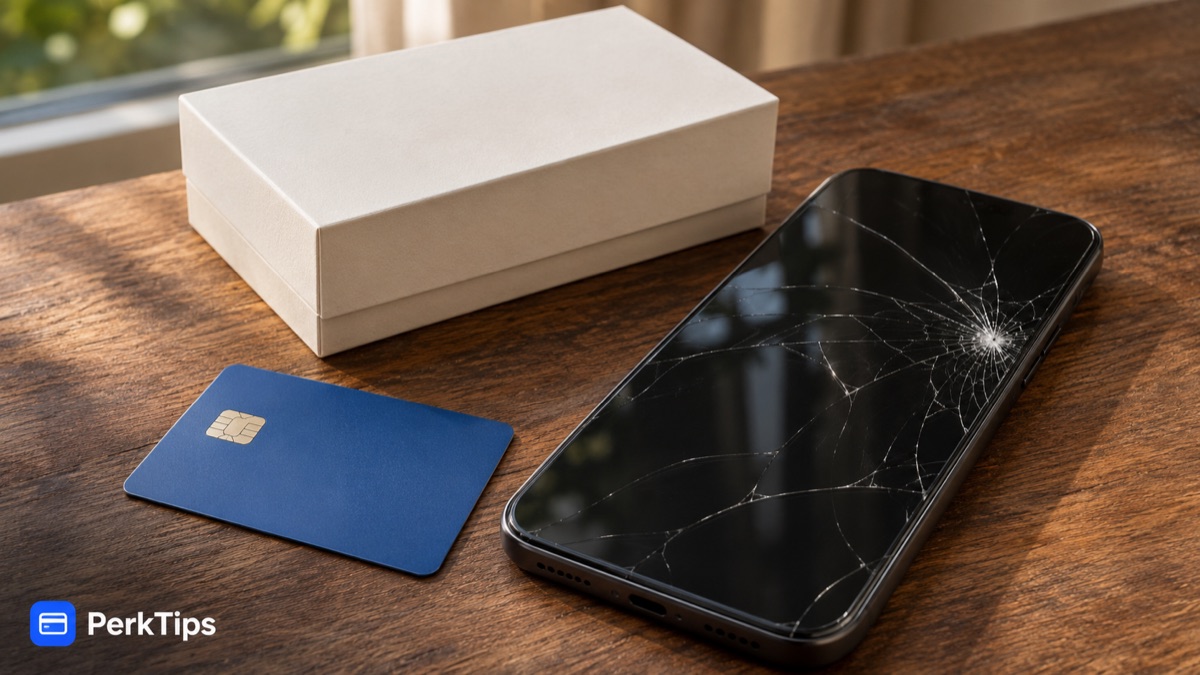
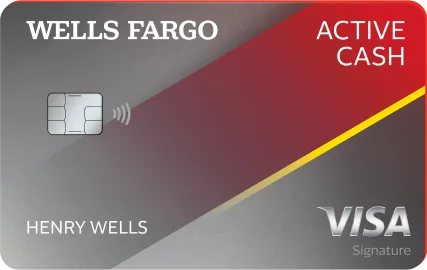
Credit card cell phone protection pays to repair or replace your phone if it is stolen or damaged, as long as you pay your monthly wireless bill with that card. The Wells Fargo Active Cash® Card covers up to $600 per claim after a $25 deductible, with no annual fee. The Ink Business Preferred® Credit Card covers up to $1,000 per claim after a $100 deductible. None of the plans below covers a phone you simply lose.
How credit card cell phone protection works
The benefit is a form of insurance that comes with the card. The rules are similar across issuers:
- Pay the wireless bill with the card. Coverage starts once the monthly bill is charged to the card. Amex requires the prior month’s bill to be paid with the eligible card; Wells Fargo says the protection is only available when the bill is paid with an eligible Wells Fargo consumer card.
- Phones on that bill are covered. Chase, for example, covers the phones listed on the monthly bill. Whether every line counts depends on the card’s guide.
- You pay a deductible per claim. The card reimburses the repair or replacement cost, minus the deductible, up to a cap.
- Claims are limited per year. Most plans allow two or three paid claims in any 12-month period.
Wells Fargo adds that you don’t need to set up automatic payments with your carrier to qualify. You just need to pay the bill with the card.
Which credit cards have cell phone protection?
These are the terms each issuer published at the time of writing.
| Card | Annual fee | Per claim | Deductible | Claims per 12 months |
|---|---|---|---|---|
| Wells Fargo Active Cash | $0 | Up to $600 | $25 | 2 |
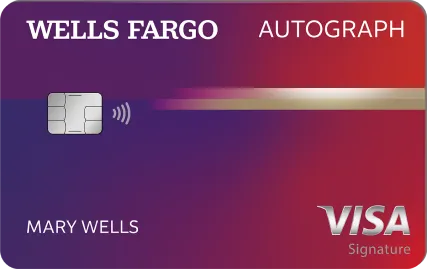
| Wells Fargo Autograph | $0 | Up to $600 | $25 | 2 |
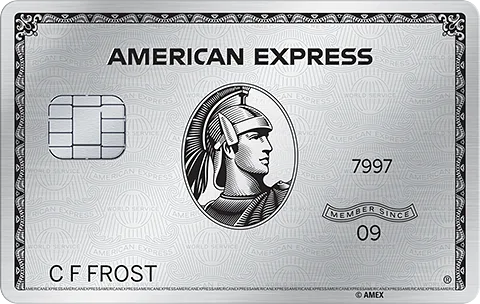
| The Platinum Card® from American Express | $895 | Up to $800 | $50 | 2 |
| Ink Business Preferred | $95 | Up to $1,000 | $100 | 3 |
| Capital One Venture X | $395 | Up to $800 | See Guide to Benefits | See Guide to Benefits |
Neither the Chase Sapphire Preferred nor the Chase Sapphire Reserve lists cell phone protection on its product page. If you hold one of those, don’t assume your phone is covered.
What does it pay? Two examples
A cracked screen costing $300 to repair. Wells Fargo pays $275 after the $25 deductible. Amex pays $250 after its $50 deductible. The Ink Business Preferred pays $200 after its $100 deductible. For small repairs, the low-deductible card comes out ahead.
A stolen phone that costs $1,200 to replace. Wells Fargo pays up to its $600 cap. Amex pays up to $800. The Ink Business Preferred pays up to $1,000. For expensive phones, the cap matters more than the deductible.
What isn’t covered
Each plan has exclusions, and the guide to benefits is the final word. The most common ones:
- Lost phones. Wells Fargo does not cover phones that “mysteriously disappear.” Amex’s guide excludes phones that are lost or disappear in the same way. Theft and damage are covered; misplacing the phone is not.
- Cosmetic damage. Amex excludes scratches, scuffs and dents that don’t affect how the phone works. It does cover a cracked screen, which it treats separately from cosmetic damage.
- Accessories. Amex’s guide excludes accessories, so a case or charger isn’t covered.
Amex’s coverage is also excess: it pays only after any other insurance or reimbursement you have, such as a carrier’s protection plan.
Business cards cover employees’ phones
On the Ink Business Preferred, Chase says coverage extends to you and your employees listed on the monthly cell phone bill, when that bill is paid with the card. For a small business with several lines, that can replace a carrier’s per-line protection plan. Check the Guide to Benefits for the exact definition of who is covered.
Is it worth paying your phone bill with one of these cards?
Usually yes, if the card fits the rest of your spending. Paying your phone bill with the card costs nothing extra, and the coverage can replace a monthly protection plan from your carrier. Two cautions:
- Rewards on the bill. The Active Cash earns 2% on the bill. The Autograph earns 3x on phone plans, which makes it the stronger choice if you hold it. A card with a bonus on phone service but no protection forces a trade-off.
- Keep paying with the card. Amex’s guide says that if you stop paying the bill with the eligible card, your coverage period changes. Switching the bill to another card to chase a promotion can leave you without coverage when you need it.
None of these benefits covers a lost phone, so if that is your main worry, compare what your carrier’s own plan covers. If you mainly want to protect an expensive phone against theft and breakage, the Wells Fargo Active Cash is the no-fee starting point, and you can compare it with other flat-rate cards.


 Capital One



