Foreign transaction fees explained, and which credit cards don't charge them
A foreign transaction fee adds up to 3% to purchases abroad or from foreign merchants. How it works, why to pay in local currency, and cards with no fee.
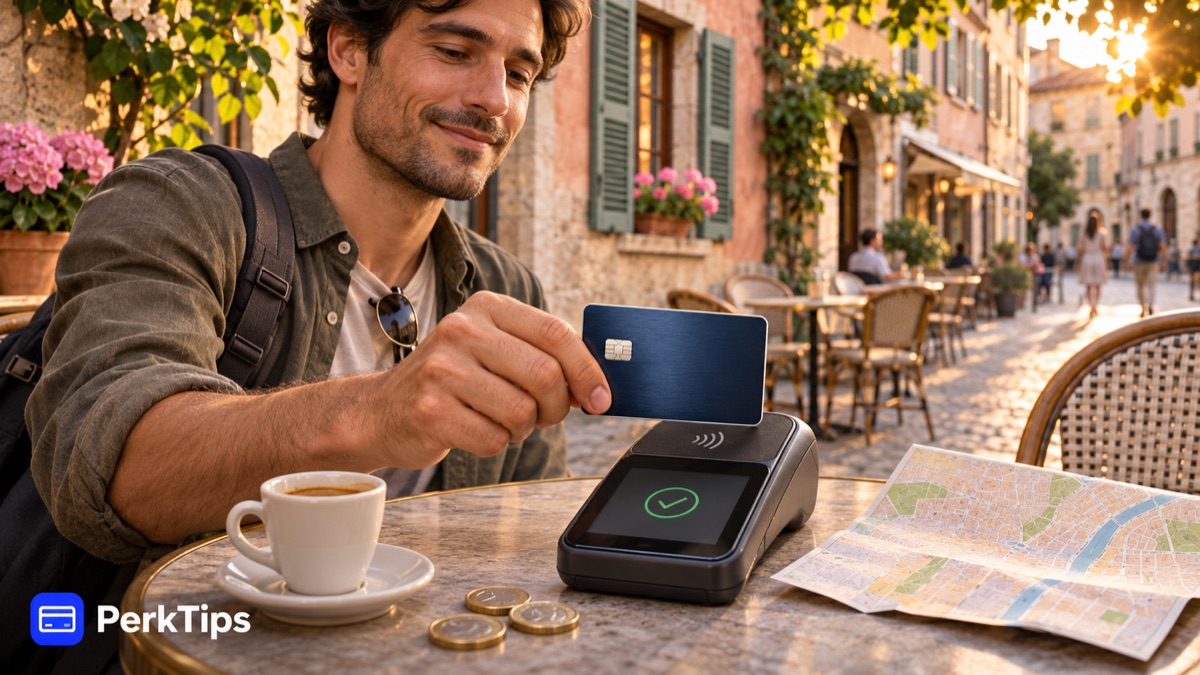
A foreign transaction fee is a charge your card issuer adds to purchases made in a foreign currency, and on many cards to purchases from merchants based outside the U.S. On cards that charge one it is typically about 3%; Chase says fees usually range from 1% to 3%. Many cards charge nothing, including the Chase Sapphire Preferred® Credit Card, the Capital One Venture Rewards and the Citi Double Cash Card. If you travel abroad or shop on foreign websites, using one of those cards is the simplest way to avoid the fee.
What is a foreign transaction fee?
It is a percentage of each qualifying purchase, added by your card issuer and shown on your statement. Chase defines it as a charge on transactions made in any currency other than U.S. dollars, and notes it can apply to purchases from foreign-based websites, not only to shopping abroad.
Federal rules treat it broadly. The CFPB’s official interpretation of Regulation Z says any charge for a purchase made outside the United States, with a foreign merchant, or in a foreign currency is a finance charge. In practice that means a fee can show up even when the price was in dollars, if the merchant processes the payment outside the U.S.
Card issuers must disclose the fee in the pricing table you see when you apply. If there is no fee, the table says “None.”
How much does it cost?
The fee is small per purchase and adds up on a trip. Here is what $3,000 of spending abroad costs in fees on a few common cards:
| Card | Foreign transaction fee | Fee on $3,000 |
|---|---|---|
| Chase Freedom Unlimited® | 3% | $90 |
| Wells Fargo Active Cash® | 3% | $90 |
| U.S. Bank Cash+® Visa Signature® | 3% | $90 |
| Blue Cash Everyday® Card | 2.7% | $81 |
| Blue Cash Preferred® Card | 2.7% | $81 |
| Chase Sapphire Preferred | None | $0 |
The fee also wipes out your rewards. The Freedom Unlimited earns 1.5% on general purchases but charges 3% abroad, so each foreign purchase costs you a net 1.5%. The Active Cash earns 2% and charges 3%, a net loss of 1%.
Credit cards with no foreign transaction fee
These cards showed no foreign transaction fee in their pricing at the time of writing:
| Card | Annual fee | Everyday earning |
|---|---|---|
| Capital One Quicksilver | $0 | 1.5% on every purchase |
| Citi Double Cash Card | $0 | 2% (1% when you buy, 1% as you pay) |
| Wells Fargo Autograph® Card | $0 | 3x on restaurants, travel, gas and transit; 1x elsewhere |
| Capital One Savor | $0 | 3% on dining, grocery stores, entertainment and popular streaming; 1% elsewhere |
| Discover it® Cash Back | $0 | 5% in activated quarterly categories; 1% elsewhere |
| Bank of America® Customized Cash Rewards | $0 | 3% in a choice category; 1% elsewhere |
| Capital One Venture Rewards | $95 | 2x on every purchase |
| Chase Sapphire Preferred | $95 | 3x dining, 2x travel, 1x elsewhere |
| American Express® Gold Card | $325 | 4x at restaurants worldwide and U.S. supermarkets, within caps |
Our full list is on the no foreign transaction fee cards page.
Two practical notes. First, a no-fee card only helps if the merchant accepts it, so carry two cards on different networks when you travel. Second, the Gold Card’s 4x on restaurants applies worldwide, while its supermarket rate applies only at U.S. supermarkets.
Should you pay in dollars or local currency?
Pay in local currency. Abroad, a card terminal or ATM may offer to charge you in U.S. dollars on the spot. This is called dynamic currency conversion, and the merchant, not your bank, sets the exchange rate. Visa says that conversion “usually includes a markup” and advises you to decline it and choose the local currency. Chase gives the same advice: let your bank do the conversion, which will likely get you a better rate.
Paying in dollars does not avoid a foreign transaction fee either. The CFPB interpretation counts fees on dollar purchases made outside the U.S., and a merchant’s own conversion fee is separate from your issuer’s fee. The issuer is not required to disclose a fee the merchant adds.
If a merchant charges you in dollars after you asked for local currency, Visa suggests contacting your bank to contest the charge.
Does it apply to online purchases?
It can. Chase notes that purchases from foreign-based websites can carry the fee. A U.S. website that processes payment through an overseas entity can trigger it too, even with a price in dollars. If you buy regularly from overseas retailers, airlines or software companies, use a card with no foreign transaction fee for those purchases even if you never travel.
Who can ignore this
If you never travel abroad and never buy from foreign merchants, the fee won’t affect you, and you can choose a card purely on rewards and annual fee. Everyone else should keep one no-fee card for trips and foreign websites. When you do travel, also check what your card’s travel insurance covers.
Cards in this article
 ChaseChase Sapphire Preferred75,000 points
 Capital OneCapital One Venture Rewards75,000 miles
 Capital One
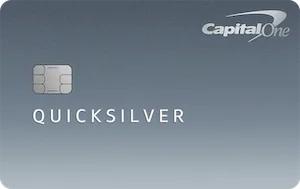 Capital OneCapital One Quicksilver Rewards$200 bonus
 Capital OneSavor Rewards$200 bonus
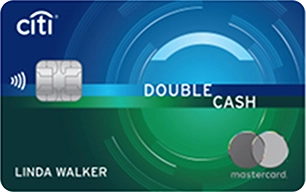 CitiCiti Double CashSee Citi for bonus
 Citi
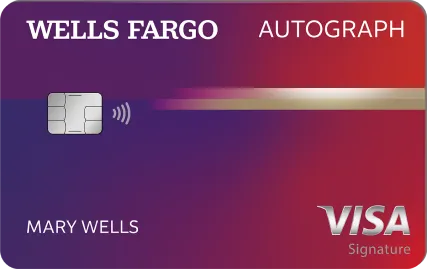 Wells FargoWells Fargo Autograph20,000 points
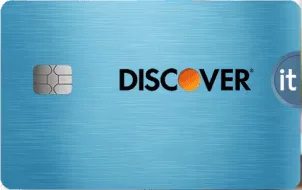 DiscoverDiscover it Cash Back$200 bonus
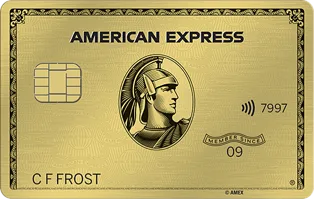 American ExpressAmerican Express GoldUp to 100,000 points
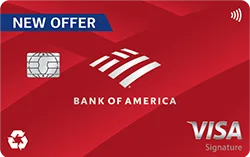 Bank of AmericaBank of America Customized Cash Rewards$200 bonus
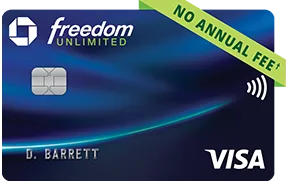 ChaseChase Freedom Unlimited$200 bonus
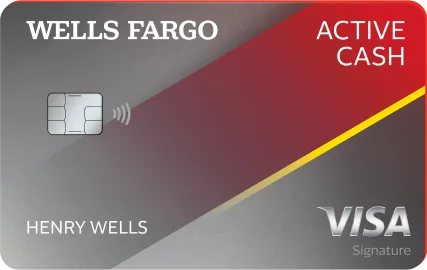 Wells FargoWells Fargo Active Cash$100 bonus
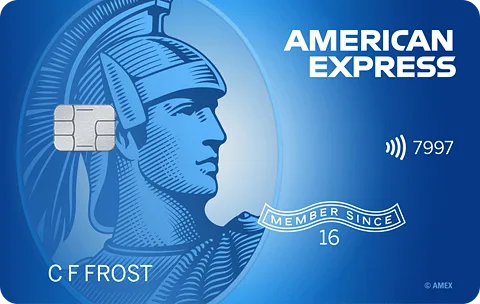 American ExpressBlue Cash Everyday$150 bonus
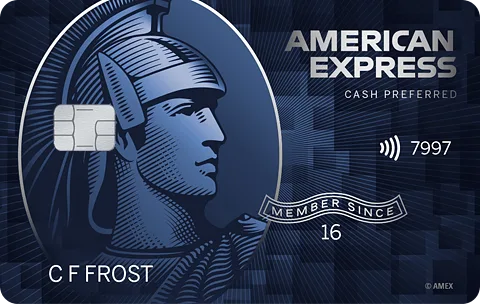 American ExpressBlue Cash Preferred Card from American ExpressAs high as $300 cash back
 U.S. BankU.S. Bank Cash+ Visa Signature$200 bonus
 U.S. Bank



