Cash back vs points vs miles: which credit card rewards are right for you?
Cash back is worth exactly what it says. Points and miles can be worth more or less, depending on how you redeem. A side-by-side with real card numbers.

Cash back, points and miles are three ways a card pays you back. Cash back is the simplest: 2% is worth 2 cents per dollar, every time. Points and miles are a currency the bank or airline controls, so what they’re worth depends on how you redeem them and can change. If you want a sure return with no homework, take cash back. Points or miles make sense only when you’ll actually use the redemptions that beat cash.
The short answer
| Cash back | Bank points | Airline or hotel miles | |
|---|---|---|---|
| What you get | Dollars (statement credit or deposit) | Points in the bank’s program | Miles or points in one airline or hotel program |
| Fixed value? | Yes | Usually a fixed cash rate, sometimes low | Usually no; award prices vary |
| Flexibility | Highest | Medium to high; some move to travel partners | Lowest; tied to one brand |
| Typical annual fee | Often $0 | $0 to several hundred | $0 to several hundred |
| Best for | Most people, simple spending | People who travel and will learn the program | Loyal flyers of one airline or one hotel chain |
How cash back works
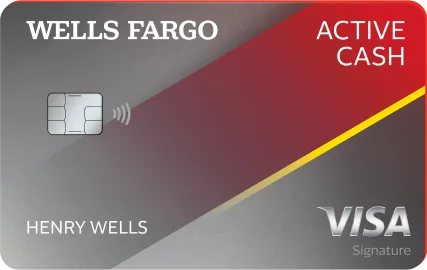
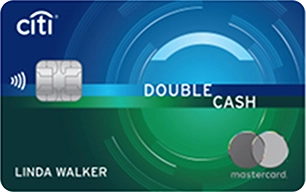
You earn a percentage of each purchase back as money. The Wells Fargo Active Cash® Card earns unlimited 2% cash rewards on purchases with no annual fee. The Citi Double Cash Card also earns 2%, as 1% when you buy and 1% as you pay. A dollar of cash back is a dollar, so comparing cards is easy.
The trade-off: cash back cards rarely pay more than a few percent, and they don’t come with travel perks. Active Cash also charges a 3% foreign transaction fee, which wipes out the 2% on purchases abroad.
How bank points work
Banks like Chase and American Express pay in points. Each program publishes a basic cash-like value, and the gap between programs is large:
- Chase Ultimate Rewards: 1 cent per point as cash back, per Chase. The Chase Sapphire Preferred® Card earns 3x on dining, so it pays about 3% on restaurants in cash.
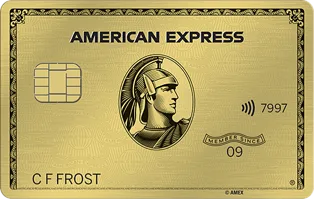
- American Express Membership Rewards: 0.6 cents per point when you use points to cover card charges, per Amex. So 4x at restaurants on the American Express® Gold Card works out to about 2.4% as a statement credit.
Points can be worth more through other options. Chase says cardmembers on select cards may transfer points to participating airline and hotel partners, and Amex and other banks run similar programs. Whether that beats cash depends on the award you book. We don’t assign a higher value to points than the program publishes; see how PerkTips values points and miles.
Partner lists and redemption options are in our guides to Chase transfer partners, Amex transfer partners and Capital One transfer partners.
How miles work
“Miles” means two different things:
- Bank travel miles, like Capital One’s. The Capital One Venture Rewards card earns 2x miles on every purchase. Used to cover travel purchases, a mile is worth 1 cent, so that’s 2% back on travel for a $95 annual fee.
- Airline miles, like United MileagePlus miles from the United℠ Explorer Card. These go straight into the airline’s program. There’s no published fixed cash value for these miles, and award prices vary with the flight and date. Miles can be worth a lot on one ticket and little on another.
Airline and hotel cards earn their best rates with that brand and add perks tied to it. If you don’t fly that airline, those perks don’t help.
Same spending, different rewards
Take $2,000 a month in spending: $500 at restaurants and $1,500 on everything else. That’s $24,000 a year. Here’s what each card returns in its basic cash-like value, before welcome bonuses and credits:
| Card | Earning on this spending | Value | Annual fee | Net |
|---|---|---|---|---|
| Wells Fargo Active Cash | 2% on everything | $480 cash | $0 | $480 |
| Capital One Venture Rewards | 48,000 miles | $480 toward travel | $95 | $385 |
| Chase Sapphire Preferred | 18,000 (dining) + 18,000 (other) = 36,000 points | $360 cash | $95 | $265 |
| American Express Gold | 24,000 (dining) + 18,000 (other) = 42,000 points | $252 as statement credit | $325 | −$73 |
On paper, flat cash back wins for this spender. The travel cards close the gap only through the things this table leaves out: Sapphire Preferred’s annual hotel credit and transfer partners, Gold’s monthly dining and Uber credits, Venture’s travel portal rates. If you’ll use those, the ranking can flip. If you won’t, it won’t. Our annual fee calculator lets you run your own numbers.
Which should you choose?
- Choose cash back if you want a predictable return, don’t travel much, or don’t want to learn a rewards program. A flat 2% card is hard to beat for simplicity; see our best flat-rate cards.
- Choose bank points if you travel a few times a year, spend heavily in a card’s bonus categories and are willing to compare a cash redemption with a transfer before booking.
- Choose airline or hotel miles if you’re loyal to one airline or hotel chain and will use the card’s brand perks every year.
Things that can cost you rewards
- Closing the card. Chase says closing a card before redeeming or moving points means you no longer have them. Our guide to what happens to points when you close a card covers other banks.
- Low-value redemptions. Not every option pays the same rate; check what each one gives before you redeem.
- Program changes. Banks and airlines can change redemption values. Cash back already in your account isn’t exposed to that.
Planning to spend abroad? Check the card’s foreign transaction fee before you count any rewards; our guide to foreign transaction fees explains why.
 Citi


 Capital One