How to dispute a credit card charge: the 60-day rule and your rights
To dispute a credit card charge, write to your issuer within 60 days of the statement that shows it. What counts, what to send and what the bank must do.
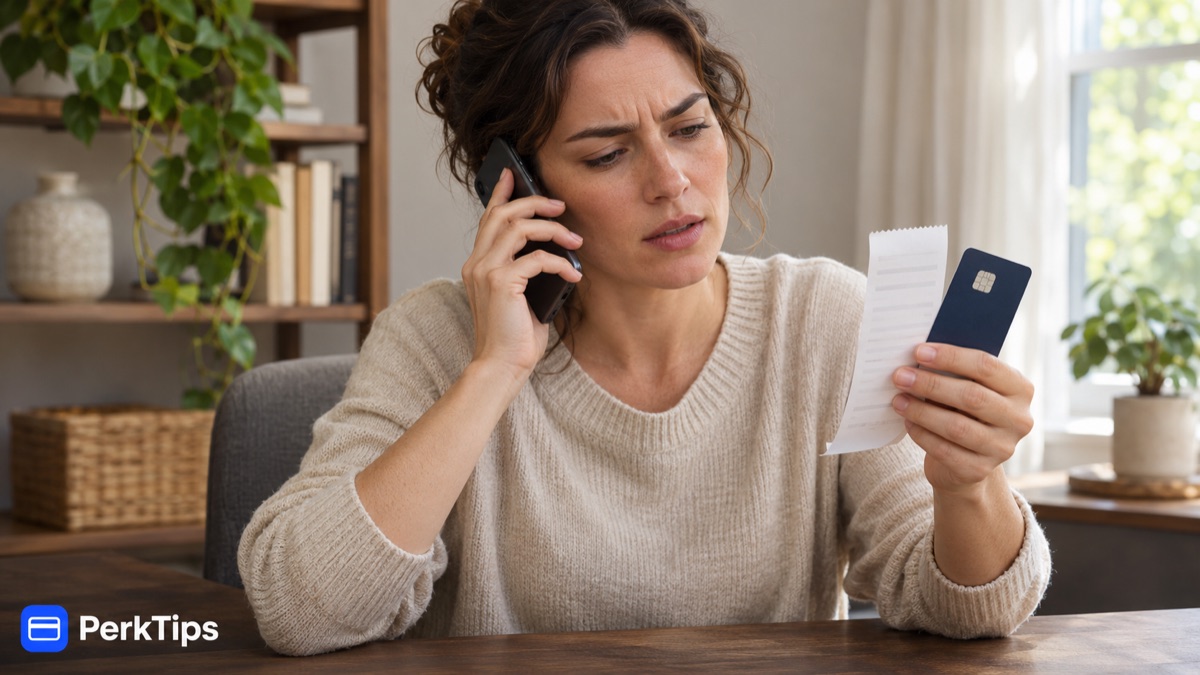
To dispute a credit card charge, call your card issuer first, then send a written billing error notice that reaches the issuer within 60 days after the first statement showing the charge was sent to you. That written notice is what triggers your rights under the Fair Credit Billing Act. The issuer then has 30 days to acknowledge it and up to 90 days to resolve it, and while it investigates you don’t have to pay the disputed amount.
A phone call or an in-app dispute button is often enough to fix a simple problem. But if the issuer pushes back, or the amount is large, the written letter is your legal protection. Do both.
What counts as a billing error?
The Federal Trade Commission lists these as billing errors you can dispute under the law:
- Charges you didn’t make, including charges by someone who used your card without permission.
- Charges with the wrong date or wrong amount, or a math error on the statement.
- Charges for things you didn’t accept or that weren’t delivered as agreed. A package that never arrived fits here.
- Payments or credits that weren’t posted to your account.
- A statement sent to the wrong address, if you told the issuer about your new address in writing at least 20 days before the billing period ended.
- A charge you want explained, or one you want written proof for.
For charges you didn’t authorize, federal law caps your responsibility at $50. Your card agreement may promise more; check it.
A charge for something you received but are unhappy with (a broken item, a poor repair) is a quality dispute, not a billing error. The rules for that are different and covered below.
How do you dispute a charge, step by step?
- Call the issuer or use its app. The CFPB suggests telling the card company about the problem right away. Ask for a reference number and note the date.
- Write your billing error notice. Include your name, account number, the charge, the amount, and why you believe it’s wrong. Attach copies (not originals) of receipts, emails or tracking pages.
- Send it to the right address. Use the address your statement lists for billing inquiries or disputes, not the address for payments. If you dispute online instead, check your card agreement for whether that counts as written notice.
- Make sure it arrives within 60 days. The FTC counts from when the first statement with the error was sent to you, and says the letter must reach the issuer in that window. Certified mail with a return receipt gives you proof.
- Keep a file. The CFPB recommends keeping copies of everything and writing down the date of every follow-up call.
If you can’t find your card agreement, you can look it up in the CFPB’s credit card agreement database, or ask the issuer for a copy.
What does the issuer have to do?
Once your written notice arrives, the clock starts for the issuer, per the FTC:
| Step | Deadline |
|---|---|
| Acknowledge your dispute in writing | Within 30 days, unless it’s already resolved |
| Resolve the dispute | Within two billing cycles, and no more than 90 days |
If the issuer finds an error, it must correct your account and remove the finance charges and other fees tied to that charge. If it decides there was no error, it must tell you in writing how much you owe, why, and the date you have to pay by.
Do you have to pay while the dispute is open?
No, not the disputed part. While the issuer investigates, you can withhold payment on the disputed amount and the finance charges tied to it. You still owe the rest of the bill, plus interest on that undisputed balance, so pay at least the minimum on the part you’re not disputing.
During the investigation, the issuer can’t try to collect the disputed amount, can’t report it as late to the credit bureaus and can’t threaten your credit rating.
If you lose and pay by the date the issuer gives you, you can’t be reported as delinquent. If you still disagree and don’t pay, the issuer may report you as late, but it must also report that you dispute the charge.
What if you already paid the charge?
You can still dispute it, as long as you’re inside the 60-day window. The CFPB notes you probably won’t get the money back until the issuer decides in your favor. Paying in full doesn’t waive your rights, so don’t let an already-paid statement stop you.
What about a defective product or bad service?
Quality disputes go through the issuer too, but with extra conditions. The FTC lists three:
- The purchase has to be above a minimum dollar amount set by the law.
- You must have bought it in your home state or within 100 miles of your current billing address.
- You must have tried in good faith to settle it with the seller first.
The minimum amount and the location limit don’t apply if the seller is also your card issuer. This protection works by withholding payment on the purchase while the issuer looks into it, so don’t pay that charge first. Online purchases can be hard to place geographically, so ask the issuer how it treats them.
What if you miss the 60-day window?
You probably lose the protection of the Fair Credit Billing Act, according to the FTC. You can still ask the issuer to look at it, but the legal deadlines no longer protect you. This is the strongest reason to read every statement when it arrives. Setting up account alerts for every charge, available in most issuer apps, makes an unauthorized charge hard to miss.
A few habits that make disputes easier
- Save receipts and order confirmations until the charge posts and the return window closes.
- Contact the merchant first for returns and refunds. A merchant refund is faster than any dispute.
- Report a lost or stolen card at once, so fewer unauthorized charges pile up.
- Don’t pay a fraud charge “to make it go away.” Dispute it instead.
If you’re new to U.S. credit cards, our newcomers guide covers the other basics, and our list of first credit card mistakes to avoid covers other early habits worth getting right.



