Balance transfer cards: how they work, what they cost and the catch
A balance transfer moves debt to a new card at a low or 0% intro rate, usually for a fee. How the math works, the six-month legal minimum and the traps.

Balance transfer cards let you move debt from one credit card to another, usually to get a low or 0% introductory rate for a set period. You typically pay a one-time fee on the amount you move, and the intro rate must last at least six months by law. A transfer saves money only if you pay the debt down during the intro period and don’t add new spending on top. It moves debt; it doesn’t erase it.
How does a balance transfer work?
You open a card with a balance transfer offer (or use one you already have), give the new issuer the account number and amount of the debt you want to move, and it pays the old card for you. The transferred amount, plus the fee, becomes a balance on the new card at the promotional rate.
A few practical rules from issuers’ own pages:
- You usually can’t transfer within the same bank. Capital One says you can’t move balances between two Capital One accounts, or between Discover and Capital One accounts. Wells Fargo says transfers aren’t available between cards issued by Wells Fargo or its affiliates.
- It takes time. Chase says transfers typically take several business days and can take up to 21 days. Capital One says a payment can take about 15 business days to reach the other creditor. Wells Fargo says it may take up to 14 days from approval to post.
- Keep paying the old card until the transfer lands. Both Capital One and Chase say this. A missed due date on the old account during the wait brings its own late fee and interest.
- The transfer uses part of your new card’s credit limit. If the limit is lower than your debt, you can move only part of it.
What does a balance transfer cost?
The fee. The CFPB says the balance transfer fee is usually a percentage of the amount you transfer or a fixed dollar amount, whichever is more. The exact figure is in the card’s pricing table, in the row labeled “Balance Transfer” under fees.
After the intro period ends, whatever is left starts accruing interest at the card’s regular balance transfer APR, which the issuer must disclose up front.
Is a balance transfer worth it? A worked example
Here’s an illustration with round numbers, not the terms of any specific card. You owe $6,000 at 24% APR and can pay $300 a month.
| Stay on current card | Transfer: 5% fee, 0% for 21 months | |
|---|---|---|
| Upfront cost | $0 | $300 fee, added to the balance |
| Interest over 21 months | About $1,659 | $0 |
| Left to pay after 21 months | About $1,359 | $0 ($6,300 ÷ 21 = $300 a month) |
In this example the transfer saves well over $1,000 and clears the debt, but only because the $300 payment never slipped and nothing new went on the card. Pay $200 a month instead and you’d still owe $2,100 when the 0% ends, now at the regular rate.
A quick test before you apply: divide the balance plus fee by the number of intro months. If you can’t pay that amount every month, the transfer still helps, but plan for what’s left.
How long does the 0% intro rate last?
At least six months, by federal law. The CFPB says an introductory rate has to stay in effect for at least six months unless you’re more than 60 days late on a payment, and the issuer must tell you how long the rate lasts and what rate applies afterward. If the intro rate is variable, it can still move with its index during those six months.
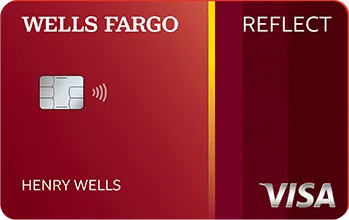
Some cards offer much longer periods. At the time of writing, the Wells Fargo Reflect® Card lists 0% intro APR for 21 months on purchases and qualifying balance transfers, and the BankAmericard® Credit Card lists 0% intro APR for 21 billing cycles on purchases and on balance transfers made within 60 days. Check each card’s pricing table for its transfer fee and any deadline for qualifying transfers, and compare the two side by side.
What’s the catch?
Several, and they’re all in the terms:
- New purchases may cost interest right away. The CFPB explains that if you carry a balance, new purchases accrue interest from the transaction date even when the transferred balance is at 0%. If you usually pay in full, you’ll owe interest on purchases unless you pay the whole balance, including the transfer, by the due date. Our guide to the grace period covers this in detail.
- A late payment can end the deal. Being more than 60 days late lets the issuer end the intro rate. Being late at all usually means a late fee.
- The offer may have a deadline. Some intro rates apply only to transfers made within a set window; the BankAmericard’s, for example, covers transfers made within 60 days. Read the terms for what rate applies to a transfer made later.
- Payments above the minimum go to the highest rate first. The CFPB says amounts over the minimum generally go to the balance with the highest APR. The minimum itself is applied as the issuer chooses.
- Applying for a new card means a credit check. See our explainer on hard and soft credit inquiries.
Who should use a balance transfer, and who should skip it?
A transfer makes sense if you have a specific debt, a steady income and a plan that pays it off or close to it during the intro period. It’s also worth checking if your current card’s rate is high and you’ve stopped adding to the balance.
Skip it if you expect to keep spending on the card, if you can’t make more than the minimum, or if the debt is small enough to clear in two or three months anyway, where the fee could cost more than the interest you’d save. If the problem is spending rather than the rate, a transfer won’t fix it.
If the APR numbers in your card’s terms are new to you, our explainer on what APR means walks through them.
Cards in this article

Sources
- CFPB: Credit cards key terms
- CFPB: How long can I keep a low rate on a balance transfer or other introductory rate?
- CFPB: Do I pay interest on new purchases after I get a zero or low rate balance transfer?
- CFPB: How does my credit card company calculate the amount of interest I owe?
- Capital One: Balance transfers
- Chase: How long do balance transfers take?
- Wells Fargo: Balance transfers



