Paying utilities, phone and internet bills with a credit card: is it worth it?
Paying utility, phone and internet bills with a credit card can earn 2% to 5% and add phone protection. When fees cancel it out, and which cards pay most.
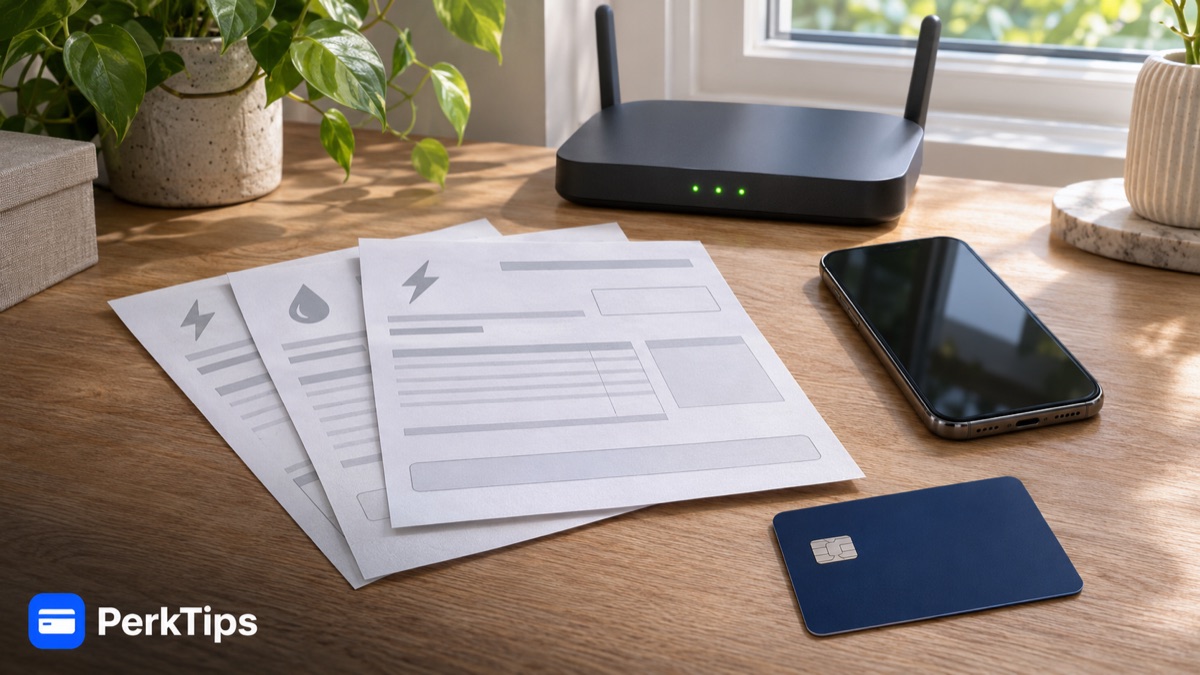
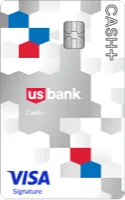
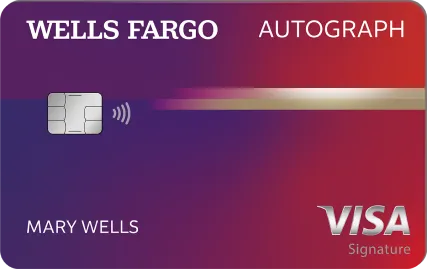
Paying your utility, phone and internet bills with a credit card is worth it when the biller charges no card fee and you pay the card in full each month. On a 2% flat-rate card, $400 a month in bills returns $96 a year. A card with a bonus category can do better: the U.S. Bank Cash+® Visa Signature® Card pays 5% on home utilities or cell phone service if you choose them, and the Wells Fargo Autograph® Card pays 3x on phone plans. If your utility adds a convenience fee larger than your rewards, pay that bill from your bank account instead.
How bills are coded
Bills, like any card purchase, earn rewards according to the merchant’s category code. Visa’s merchant manual uses separate codes for each kind of bill:
- 4900, Utilities: electric, gas, water, sanitary and garbage services
- 4814, Telecommunication services: phone service, including cellular and landline, billed periodically
- 4816, Computer network and information services: internet access providers
- 4899, Cable, satellite and other pay TV, radio and streaming services
Card issuers pick which of those codes earn a bonus. That is why a card can pay extra on your phone bill but not your electric bill.
Chase’s definition of internet, cable and phone services shows the usual line: it covers internet, cable, satellite TV and radio, cellular, wireless data and landline service, and excludes equipment. A new phone bought from your carrier, even if it shows up on the same bill, may not earn the bonus.
Cards that pay extra on bills
These are the published rates at the time of writing.
| Card | Annual fee | Bill rate | Limits |
|---|---|---|---|
| U.S. Bank Cash+® | $0 | 5% on two categories you choose each quarter; options include home utilities, cell phone, and TV, internet and streaming | First $2,000 combined per quarter, then 1%; you must choose each quarter |
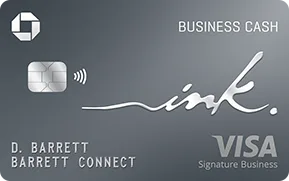
| Ink Business Cash® | $0 | 5% on internet, cable and phone, combined with office supply stores | First $25,000 combined per account anniversary year, then 1% |
| Wells Fargo Autograph® | $0 | 3x on phone plans (landline and cell phone providers) | No cap published |
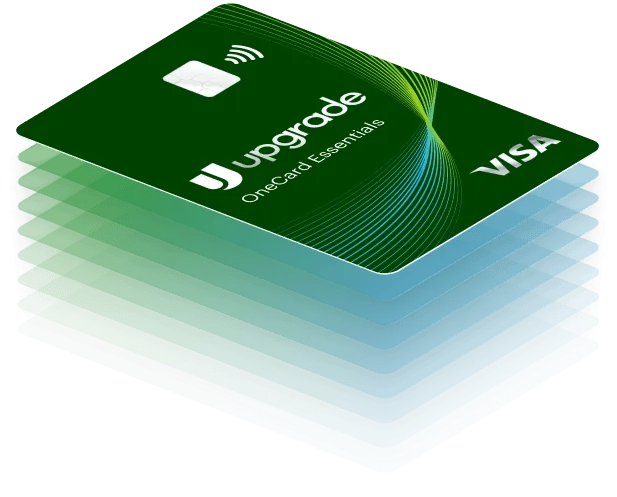
| OneCard Essentials | $0 | 3% on utilities, plus gas, groceries, streaming and monthly subscriptions | No cap published |
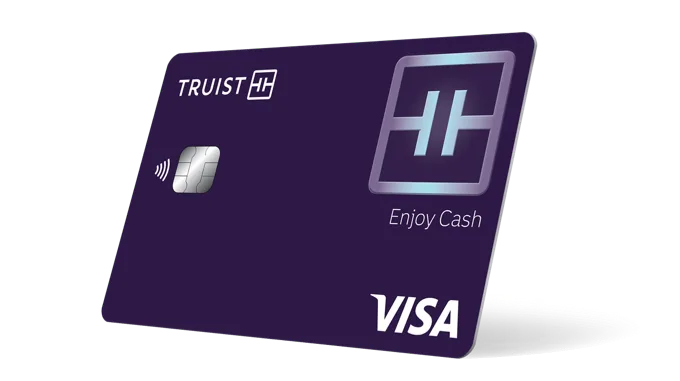
| Truist Enjoy Cash | $0 | 2% on utilities (option 1) | Shares a $1,000 monthly cap with gas and grocery bonuses, then 1% |
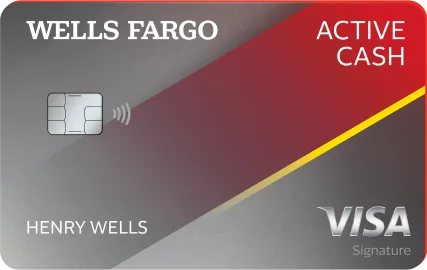
| Wells Fargo Active Cash® | $0 | 2% on everything | No cap |
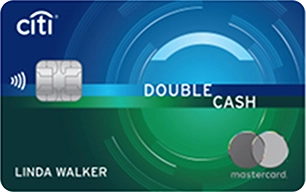
| Citi Double Cash | $0 | 2% on everything (1% when you buy, 1% as you pay) | No cap |
The Cash+ is the strongest option if your bills are large, but it takes work. You pick two 5% categories every quarter, and if you forget, Cash+ pays no more than 1%. Choosing home utilities and cell phone covers most monthly bills.
A worked example
Say your monthly bills are $150 for electricity and gas, $100 for two phone lines and $70 for internet: $320 a month, $3,840 a year.
- 2% flat-rate card: $76.80 a year.
- Cash+ with home utilities and cell phone as your 5% picks: $250 a month falls in those two categories, $3,000 a year, well under the $2,000 quarterly cap. That’s $150, plus 1% on the $840 of internet, for $158.40. If internet bills under the TV, internet and streaming category, you’d have to choose between it and one of the others.
- Autograph on the phone bill, flat-rate card on the rest: 3x on $1,200 of phone service is 3,600 points, worth $36 at Wells Fargo’s 1 cent each in cash, plus 2% on $2,640, $52.80. Total: $88.80.
The Cash+ comes out ahead, as long as you remember to choose your categories.
Phone protection is a reason to pay the phone bill by card
Some cards cover your phone against theft and damage only if you pay the monthly wireless bill with them. The Active Cash and Autograph both offer up to $600 per claim, after a $25 deductible, with a maximum of two paid claims in 12 months, when the bill is paid with the card. That can be worth more than the rewards on the bill itself. Our guide to cell phone protection compares the other cards with this benefit.
When it isn’t worth it
- Convenience fees. Some billers charge a fee to accept a card. If the fee is larger than the rewards rate, you lose money on every payment. A third-party processor can also change the merchant code, so the bill may not earn the bonus you expected.
- Carrying a balance. Interest on a card balance costs far more than 2% or 5% back. Only put bills on a card you pay in full by the due date. Our guide to the grace period and interest explains how quickly interest starts.
- Autopay with a forgotten card. If you set a bill to autopay on a card and later close or replace that card, the payment can fail. Update your billers when a card number changes, and keep autopay on the card itself so you never miss its due date.
Who should do this
If you pay bills from your bank account today, moving fee-free bills to a card you already pay in full is close to free money. The bills are predictable and recurring, which also makes them a steady way to reach a welcome bonus spending requirement without buying anything extra. Skip it for any bill with a card fee, and skip it entirely if you sometimes carry a balance.
 U.S. Bank
 Truist
 Citi



