0% intro APR on purchases explained: how it works and how not to get caught
A 0% intro APR means no interest on purchases for a set time, at least six months by law. How it works and how it differs from deferred interest.

A 0% intro APR on purchases means the card charges no interest on new purchases for a set period after you open the account. By federal law the intro rate has to last at least six months, and some cards offer close to two years. You still have to make the minimum payment every month. When the period ends, whatever you still owe starts accruing interest at the card’s regular APR, but only from that point forward. That last part is what separates a true 0% APR from a “deferred interest” deal, which can charge you interest back to the day you bought.
How does a 0% intro APR work?
You open the card, make purchases, and pay at least the minimum each month. During the intro period, the purchase APR is 0%, so the balance doesn’t grow. When the intro period ends, any remaining balance is charged the regular purchase APR from then on.
The card’s pricing table shows the intro rate, how long it lasts and the rate that applies afterward; the CFPB says the issuer must tell you both. Our guide to reading a card’s pricing and terms shows where to find each row.
At the time of writing, two examples from our card database:
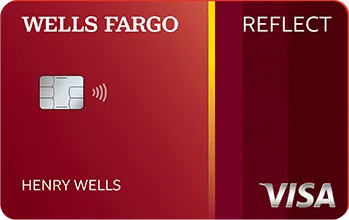
- The Wells Fargo Reflect® Card lists 0% intro APR for 21 months on purchases and qualifying balance transfers, with no annual fee.
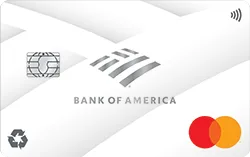
- The BankAmericard® Credit Card lists 0% intro APR for 21 billing cycles on purchases and on balance transfers made within 60 days, with no annual fee.
Note the units: “21 months” and “21 billing cycles” aren’t always the same end date. Check the date on your statement. You can compare these two cards side by side.
How long does a 0% intro APR have to last?
At least six months. The CFPB says an introductory rate must stay in effect for at least six months unless you’re more than 60 days late on a payment. Regulation Z sets the same floor: an issuer can raise a temporary rate only after it has lasted at least six months.
If the intro rate is variable rather than a flat 0%, it can still move with its index during those six months.
How can you lose the 0% rate early?
- By being more than 60 days late. That’s the exception the law allows. The issuer can then apply a higher rate.
- By missing the deadline for which transactions qualify. Some offers cover only purchases or transfers made within a window after you open the account. Read the terms.
A shorter delay doesn’t trigger that exception, but it can still cost a late fee. Set up autopay for at least the minimum.
0% intro APR vs deferred interest
These sound alike and work very differently. The CFPB explains the difference with a $400 TV, $25 monthly payments for 12 months ($300 paid, $100 left) and a 25% rate after the promotion:
| 0% intro APR (“0% intro APR for 12 months”) | Deferred interest (“No interest if paid in full in 12 months”) | |
|---|---|---|
| Interest during the promotion | None | Builds up in the background from the purchase date |
| If $100 is left at the end | Interest starts on the $100 from then on | About $65 of built-up interest is added; you owe $165 |
| Where you usually see it | General-purpose credit cards | Store cards and retail financing |
The words “if paid in full” are the warning sign. With deferred interest, missing the payoff by even a small amount brings back all the interest from the start. Regulation Z allows these plans only when the period is six months or longer and the issuer discloses the period and the rate in advance.
Is a 0% intro APR worth it? An example
Here’s an illustration with round numbers, not a specific card’s terms. You need a $3,000 laptop and a desk, and your card has 0% for 15 months.
- Divide the cost by the intro months: $3,000 ÷ 15 = $200 a month.
- Pay $200 every month and you finish with $0 interest.
- Pay only the minimum, and part of the balance is still there when the regular APR starts. If that APR were 24%, a $1,000 leftover balance would cost about $20 in interest the first month alone.
The rule: set your own payment as balance ÷ intro months, not the minimum the statement asks for.
The catches to watch
- Minimum payments still apply. Zero interest doesn’t mean zero payment.
- The regular APR afterward can be high. It’s in the pricing table; plan as if you’ll face it.
- Balance transfers aren’t free on the same card. The intro rate may cover transfers too, but a transfer fee may apply. See balance transfer cards.
- Rewards may be thin or missing. Neither of the two cards above lists a rewards rate in our database, so once the balance is paid you may want a different card for everyday spending.
- Opening a card means a credit check. See hard vs soft credit inquiries.
Who should use one, and who should skip it?
A 0% intro APR is useful for a planned large purchase you can pay off in equal monthly amounts before the period ends: furniture, a laptop, a repair. It’s a free short-term loan if you treat it like one.
Skip it if you don’t have a payoff plan, if you’d be tempted to keep spending because “it’s 0%”, or if the deal says “no interest if paid in full” and you aren’t certain you can pay in full. If you always pay in full anyway, the grace period already gives you interest-free purchases every month; see our guide to the credit card grace period. For the basics of how APR turns into dollars, see what is APR.
Cards in this article
Sources
- CFPB: How long can I keep a low rate on a balance transfer or other introductory rate?
- CFPB: How to understand special promotional financing offers on credit cards
- Regulation Z, 12 CFR 1026.55: Limitations on increasing annual percentage rates, fees, and charges
- CFPB: How does my credit card company calculate the amount of interest I owe?
- Wells Fargo Reflect Card
- BankAmericard Credit Card



