Prime Visa review: is the Amazon card worth it for Prime members?
Prime Visa review: 5% back at Amazon and Whole Foods with Prime, 2% on dining and gas, no annual fee and no foreign fees. Who should get it, who shouldn't.
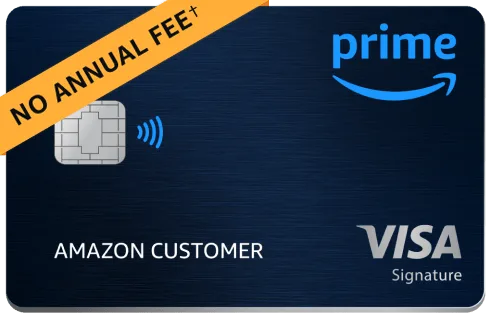
Our verdict: If you already pay for Amazon Prime and buy a lot on Amazon or at Whole Foods Market, the Prime Visa is an easy yes: 5% back there, no annual fee and no foreign transaction fee. It’s a poor main card for everything else, where it earns 1%. Skip it if you don’t have Prime, because the 5% depends on the membership.
Prime Visa at a glance
At the time of writing, per Chase’s product page and pricing terms:
- Welcome offer: an Amazon Gift Card loaded to your Amazon account on approval. Chase showed $200 for Prime members as a limited-time offer, up from $150.
- Annual fee: $0, but you need an eligible Prime membership to get the card’s top rate
- Earning: 5% at Amazon.com, Audible.com and Whole Foods Market with eligible Prime membership; 5% on Chase Travel purchases; 2% at gas stations, restaurants and on local transit and commuting, including rideshare; 1% on everything else
- Rotating offers: 10% back or more on a changing selection of items and categories on Amazon.com, for limited times
- Reward value: rewards are tracked as points, 100 points per $1, so 1 cent each
- Foreign transaction fee: none
What you earn
Say you spend $300 a month at Amazon and Whole Foods, $200 a month at restaurants and gas stations, and $800 a month on everything else.
| Spending | Per year | Rate | Back |
|---|---|---|---|
| Amazon and Whole Foods | $3,600 | 5% | $180 |
| Restaurants and gas | $2,400 | 2% | $48 |
| Everything else | $9,600 | 1% | $96 |
| Total | $15,600 | $324 |
That’s about 2.1% across all spending. Most of the value comes from one row. If Amazon and Whole Foods were only $100 a month, the total would fall to $204.
You can use points at Amazon checkout, or take them as cash, travel or gift cards. Chase notes that redemption values for reward options may vary, so check the rate shown before you pay with points at checkout.
What does it cost?
The card itself has no annual fee. The real cost is Prime. Chase’s page says you earn 5% back at Amazon and Chase Travel “with an eligible Prime membership,” and 3% without one. If you cancel Prime, the card keeps working, but it becomes a 3% Amazon card.
So the question isn’t whether the card is worth $0. It’s if you would pay for Prime anyway. If so, the card adds value at no extra cost. If you’d keep Prime only for the card, the math rarely works: at 2 percentage points more than the Amazon Visa, you’d need to spend a lot at Amazon and Whole Foods to make up a year of membership.
There’s no foreign transaction fee, which makes the card usable abroad, though at 1% outside its categories it isn’t a strong travel card.
Who should get it
- You already pay for Amazon Prime.
- You spend at least a few hundred dollars a month at Amazon or Whole Foods Market.
- You want a no-fee card you can also carry on trips abroad.
Who should skip it
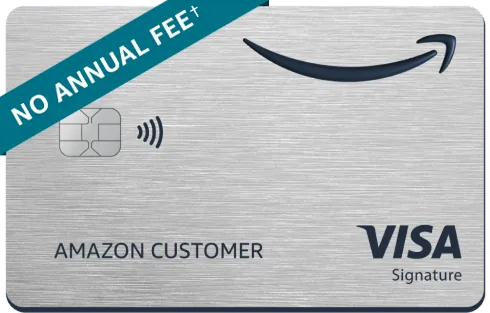
- You don’t have Prime. The Amazon Visa has no fee and no membership requirement and pays 3% at Amazon, Audible and Whole Foods.
- Most of your groceries come from a regular supermarket. The Prime Visa’s 5% is for Whole Foods only; other grocery stores earn 1%.
- You want one card for everything. Outside Amazon, Whole Foods, travel booked with Chase, dining, gas and transit, it earns 1%.
How it compares
- Amazon Visa ($0, no Prime required): 3% at Amazon, Audible and Whole Foods, 2% on dining, gas and transit, 1% elsewhere. On our example it returns $252 a year, $72 less than the Prime Visa.
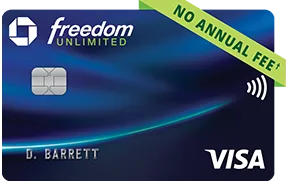
- Chase Freedom Unlimited ($0): 1.5% on everything, 3% on dining and drugstores. Better if Amazon is a small part of your budget. It charges a 3% foreign transaction fee.
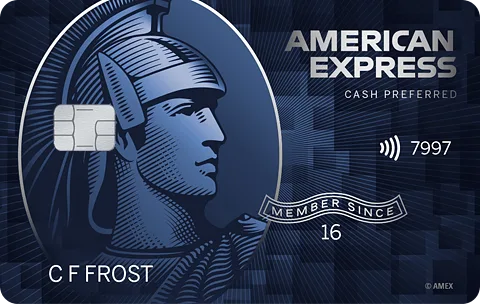
- Blue Cash Preferred from American Express ($0 the first year, then $95): 6% at U.S. supermarkets on up to $6,000 a year, then 1%, and 3% at U.S. gas stations. Better for a household whose groceries come from a regular supermarket.
Many people keep the Prime Visa next to a flat-rate card and use it only for Amazon, Whole Foods and dining.
Should you apply?
Apply if you already pay for Prime and spend regularly at Amazon or Whole Foods; for that spending, a no-fee 5% card is hard to beat. If you don’t have Prime and don’t want it, take the Amazon Visa instead. If Amazon is a small share of your spending, the Freedom Unlimited’s 1.5% on everything will likely return more.