What counts as dining on credit cards? Merchant category codes explained
What counts as dining on credit cards: restaurant codes 5812, 5813 and 5814, why bakeries and stadium food may not count, and how issuers differ.
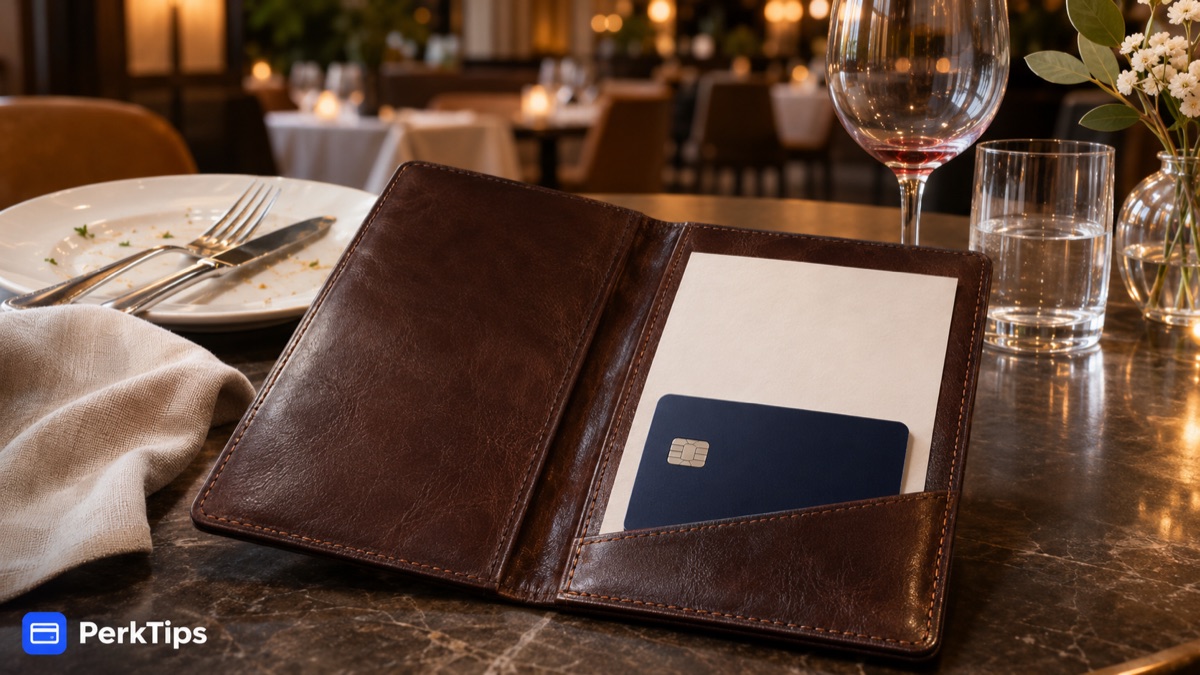
On a credit card, dining means a purchase from a merchant coded as a restaurant, bar or fast-food place, not any purchase of food. Under Visa’s codes those are 5812 for restaurants, 5813 for bars and 5814 for fast food. Your issuer then decides which of those codes earn the bonus and what to exclude, and the lists differ: Capital One counts bakeries as dining, while Chase excludes them. Food bought inside a stadium, hotel or grocery store often doesn’t count unless that vendor is coded as a restaurant.
The merchant codes behind the dining category
Every merchant that takes cards is assigned a four-digit merchant category code (MCC) based on its main business. Visa’s merchant manual describes the three codes that matter for dining:
- 5812, Eating Places and Restaurants: merchants that prepare food and drinks for immediate consumption, typically on their premises and typically with table service. Cafes, cafeterias and diners are included.
- 5813, Drinking Places: bars, taverns, nightclubs, cocktail lounges and breweries that sell alcohol for consumption on the premises.
- 5814, Fast Food Restaurants: merchants where orders are usually placed and paid for at a counter, kiosk or drive-through. Coffee shops, sandwich shops and ice cream shops are included.
Visa’s manual says both 5812 and 5814 include food delivery for merchants that qualify for those codes. Bakeries have their own code, 5462, and convenience stores and specialty food markets use 5499. That is why a pastry shop and a café can earn differently on the same card.
The code belongs to whoever processes the payment. Visa requires separate businesses on the same premises, such as a restaurant inside a hotel with its own name and point of sale, to use their own codes. A hotel restaurant that bills through the hotel’s front desk may code as lodging instead.
How Chase defines dining
Chase’s Rewards Category FAQ sets out two versions.
Dining (restaurants). Merchants whose primary business is sit-down or eat-in dining, including fast food and fine dining. Delivery and takeout services count if they classify as a restaurant merchant. Excluded:
- Food and drink sellers inside sports stadiums, hotels, casinos, theme parks, grocery stores and department stores, unless the vendor has set up its purchases to be classified as a restaurant
- Bakeries, caterers and meal-kit delivery services
- Gift card merchants
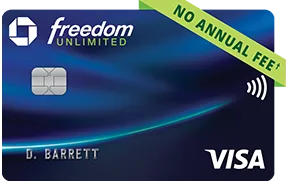
This is the category behind the 3% on the Chase Freedom Unlimited® and the 3x on the Chase Sapphire Preferred®, both of which describe dining as including takeout and eligible delivery.
Dining purchased directly from a restaurant. The same idea, but third-party delivery service merchants are excluded even if they classify as restaurants. The DoorDash Rewards Mastercard® uses this split: 4% on DoorDash and Caviar orders and 3% on dining bought directly from a restaurant.
How Capital One and Wells Fargo define dining
Capital One. The Capital One Savor pays 3% on dining and lists restaurants, cafes, bars, lounges, fast-food chains and bakeries. Bakeries are the notable difference from Chase.
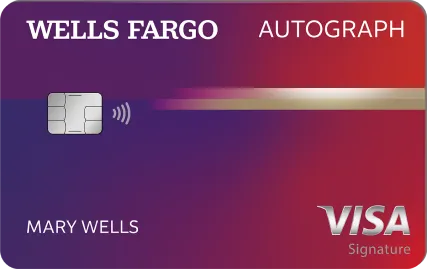
Wells Fargo. The Wells Fargo Autograph® Card pays 3x at restaurants and defines the category as eating places and restaurants, drinking places, fast food restaurants and caterers. Caterers are the difference here: Chase excludes them.
Does it count? Common cases
| Purchase | Chase Freedom Unlimited / Sapphire Preferred | Capital One Savor | Wells Fargo Autograph |
|---|---|---|---|
| Sit-down restaurant | Yes | Yes | Yes |
| Fast food or coffee shop | Yes | Yes | Yes |
| Bar or brewery | Not addressed in the FAQ | Yes (bars, lounges) | Yes (drinking places) |
| Bakery | No | Yes | Depends on merchant code |
| Caterer | No | Not listed | Yes |
| Stadium or theme park food stand | Only if coded as a restaurant | Depends on merchant code | Depends on merchant code |
| Café inside a grocery store | Only if coded as a restaurant | Depends on merchant code | Depends on merchant code |
| Meal-kit subscription | No | Not listed | Not listed |
| Delivery app order | Yes, if the app classifies as a restaurant | Depends on merchant code | Depends on merchant code |
“Depends on merchant code” means the issuer’s published list doesn’t name that kind of merchant. The purchase earns the bonus only if the vendor uses one of the restaurant codes the issuer includes.
What about Amex?
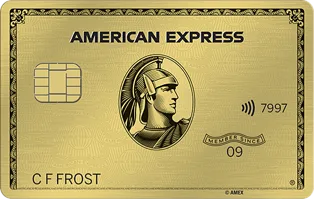
The American Express® Gold Card earns 4x at restaurants worldwide on up to $50,000 a year, then 1x. Amex also says, in terms for its cash back cards, that merchants are assigned codes based on what they primarily sell, and a purchase may not earn a bonus if the merchant uses a third party to sell or process the payment. Check the Gold Card’s own terms for its restaurant definition.
Delivery apps and third parties
Ordering through an app adds a layer. When you pay a delivery service, the code that matters is usually the delivery company’s, not the restaurant’s. Chase counts those orders as dining only if the service classifies as a restaurant merchant, and excludes them from its “directly from a restaurant” version. Amex warns that using a third party to sell or process a purchase can cost you the bonus.
The same applies to paying through a mobile wallet or a payment app. Our guide to Apple Pay and mobile wallet rewards covers when that changes what you earn.
How to make sure your dining spending earns the bonus
- Pay the restaurant directly when you can, rather than through a hotel bill, a venue’s ticketing system or a third-party app.
- Check one purchase from a new place on your statement or app before assuming it earns the bonus.
- Match the card to the habit. If you buy a lot from bakeries, Capital One counts them; Chase doesn’t. If you hire caterers, the Autograph counts them; Chase doesn’t.
For cards that pay most at restaurants, see our best dining cards. The same coding rules decide what counts as travel and why Walmart and Target don’t count as groceries.
Cards in this article


 Capital One

Sources
- Visa Merchant Data Standards Manual
- Chase: Rewards Category FAQ
- Chase Sapphire Preferred product page
- Capital One: Savor card, what to know
- Capital One Savor product page
- Wells Fargo Autograph Card: rewards category definitions
- American Express: Blue Cash Preferred Cardmember Agreement, reward program supplement



