Why Walmart and Target usually don't count as groceries on credit cards
Walmart and Target aren't coded as supermarkets, so most grocery cards pay just 1% there. Which cards exclude them and what to use instead.
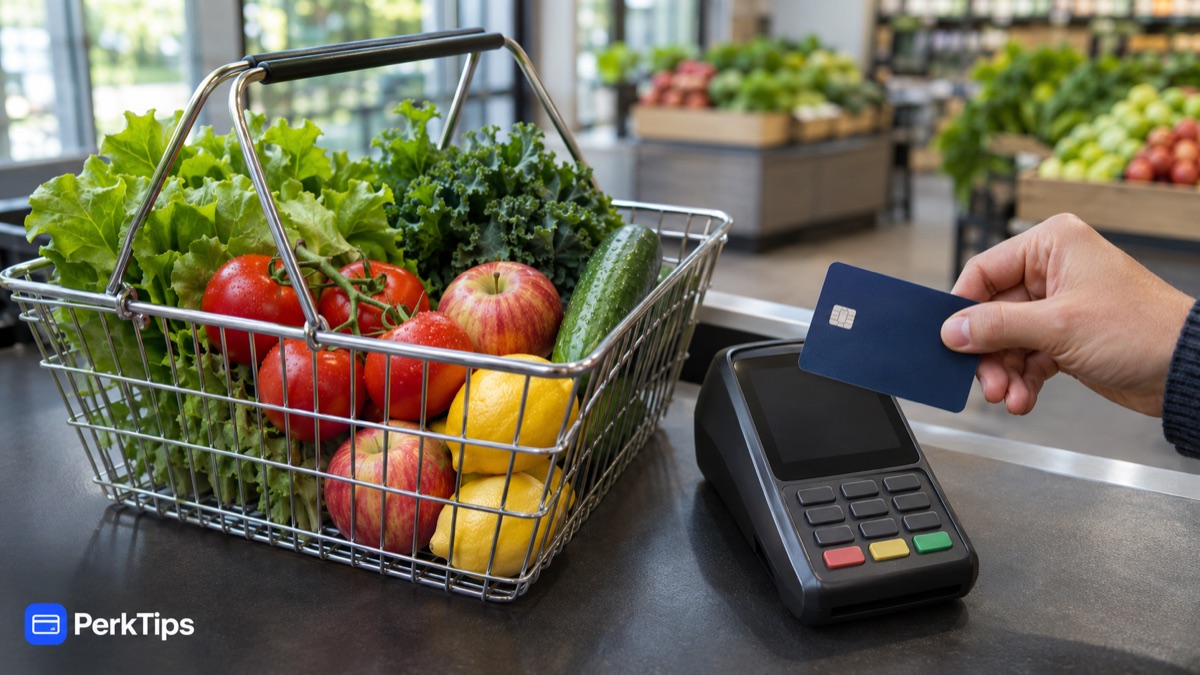
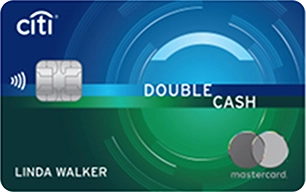
Walmart and Target usually don’t count as grocery stores on credit cards because they sell far more than food, so they generally aren’t coded as supermarkets. Issuers call them superstores or discount stores. Most grocery bonuses are tied to the supermarket code, and many issuers name Walmart and Target as exclusions outright. The Blue Cash Preferred® Card from American Express pays 6% at U.S. supermarkets and 1% at superstores. If you buy most of your groceries at Walmart or Target, a flat-rate card such as the Citi Double Cash Card, at 2% everywhere, will usually earn more there.
Why Walmart and Target don’t code as groceries
Every merchant is assigned a four-digit merchant category code (MCC) that describes its main business. Card issuers decide which codes earn a bonus.
Visa’s merchant manual defines code 5411, “Grocery Stores and Supermarkets,” narrowly. A merchant in that code sells a full line of food for home use, and perishables such as produce, dairy, meat and bakery items must make up at least 45% of its monthly sales. A store that sells televisions, clothing and garden furniture alongside groceries doesn’t meet that test.
Stores like these typically fall under other codes. Visa lists 5310 for discount stores, which sell a general line of merchandise at a discount, and 5300 for wholesale clubs, which sell a full range of goods, often in bulk, in warehouse-style stores. The manual also allows a merchant with more than one line of business to use the code of whichever line has the highest sales, which for a superstore is general merchandise.
So the exclusion is usually not a rule written to target one retailer. It follows from how the store is coded, and from the issuer’s decision to reward the supermarket code only.
Which cards exclude Walmart and Target?
Most grocery cards say so in their terms. These are the published rules at the time of writing:
| Card | Grocery rate | What’s excluded |
|---|---|---|
| Blue Cash Preferred® Card from American Express ($95) | 6% at U.S. supermarkets, first $6,000 a year, then 1% | Superstores, convenience stores, warehouse clubs, meal-kit delivery |
| Capital One Savor ($0) | 3% at grocery stores | Superstores like Walmart and Target |
| U.S. Bank Cash+® ($0) | 2% if you choose grocery as your everyday category | Discount stores, supercenters and wholesale clubs |
| OneCard Essentials ($0) | 3% on groceries | Target and Walmart |
| Chase Sapphire Preferred® ($95) | 3x on online grocery | Target, Walmart and wholesale clubs |
Chase’s general grocery definition, used on cards and promotions with a grocery category, excludes “larger stores that sell a wide variety of goods and groceries, such as warehouse clubs, discount stores,” along with drugstores and gas stations that also run grocery stores.
The exception: wholesale clubs on Bank of America
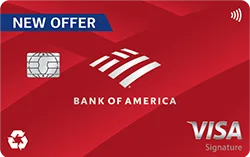
The Bank of America® Customized Cash Rewards card pays 2% at grocery stores and wholesale clubs. That rate shares a $2,500 quarterly cap with the 3% choice category, then drops to 1%. It is one of the few cards that names wholesale clubs as part of its grocery rate. Walmart and Target aren’t wholesale clubs, so this doesn’t change the picture for them.
What counts as a grocery store
Issuer definitions vary, but these generally qualify:
- Supermarkets with a full grocery line, including a deli and bakery
- Smaller neighborhood grocery stores
- Specialty food markets on some cards. Capital One counts meat lockers, freezers, dairy stores and specialty markets.
These generally don’t:
- Superstores and discount stores (Walmart, Target)
- Warehouse clubs such as Costco and BJ’s, except where a card names them
- Drugstores and convenience stores, even if they sell food
- Grocery items bought at a gas station, on Chase cards
- Gift cards sold at the supermarket checkout, on Chase’s online grocery category
How much the exclusion costs
Say you spend $500 a month on groceries at Target. On the Blue Cash Preferred that earns 1%: $60 a year. A 2% flat-rate card earns $120 on the same spending, and the Blue Cash Preferred also charges a $95 annual fee.
Now move the same $500 to a supermarket. The Blue Cash Preferred earns 6% on $6,000 a year: $360, or $265 after the fee. The card is worth having if your groceries come from a supermarket, and a poor choice if they come from a superstore.
What to use at Walmart and Target
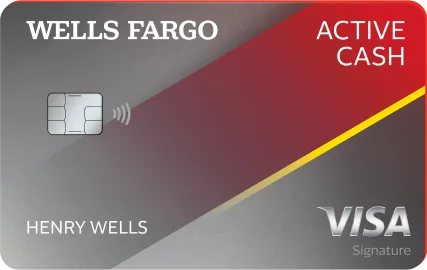
- A flat-rate card. The Citi Double Cash and the Wells Fargo Active Cash® earn 2% on all purchases, superstores included. See more on our flat-rate cards page.
- Split your shopping. Use a grocery card at the supermarket and a flat-rate card at the superstore.
- Check Amex’s mobile-wallet note. The Blue Cash Preferred’s terms warn that a purchase may not earn the bonus when made through a third-party payment account or a mobile or digital wallet. That applies at supermarkets too.
For cards that pay most at supermarkets, see our best grocery cards. If you shop at a warehouse club, our guide to the best cards for Costco covers the cards that work there.
Cards in this article
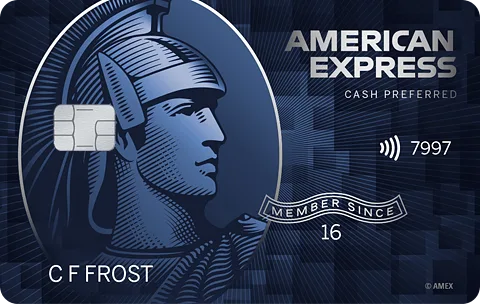 American ExpressBlue Cash Preferred Card from American ExpressAs high as $300 cash back
 Capital OneSavor Rewards$200 bonus
 Capital One
 U.S. BankU.S. Bank Cash+ Visa Signature$200 bonus
 U.S. Bank
 UpgradeOneCard EssentialsNo current bonus
 Bank of AmericaBank of America Customized Cash Rewards$200 bonus
 ChaseChase Sapphire Preferred75,000 points
 CitiCiti Double CashSee Citi for bonus
 Citi
 Wells FargoWells Fargo Active Cash$100 bonus
Sources
- Visa Merchant Data Standards Manual
- Chase: Rewards Category FAQ
- Chase Sapphire Preferred product page
- American Express: Blue Cash Preferred Cardmember Agreement, reward program supplement
- Capital One: Savor card, what to know
- U.S. Bank Cash+ Visa Signature Card
- Upgrade OneCard
- Bank of America Customized Cash Rewards



