Your first U.S. credit card: secured, student or no-fee cash back?
New to the U.S. or to credit? How secured, student and starter cards differ, what each bank asks for, and how to build a credit history in your first year.
If you have no U.S. credit history, you have three realistic starting points: a secured card, a student card, or a starter card that some banks offer to people with thin files. All three can build a credit history. They differ in what you put down and what you earn.
Secured cards: a deposit instead of a history
A secured card asks for a refundable deposit, which usually becomes your credit limit. Capital One’s Platinum Secured takes a deposit of $49, $99 or $200, and Capital One says no credit score is needed to apply. You get the deposit back when you close the account in good standing or move up to an unsecured card.
Choose this if banks have turned you down, or if you’d rather start with a small limit you can’t overspend.
Student cards: rewards from day one, if you’re enrolled
Student cards don’t need a deposit, but they expect you to be in school. What the banks’ pages showed at the time of writing:
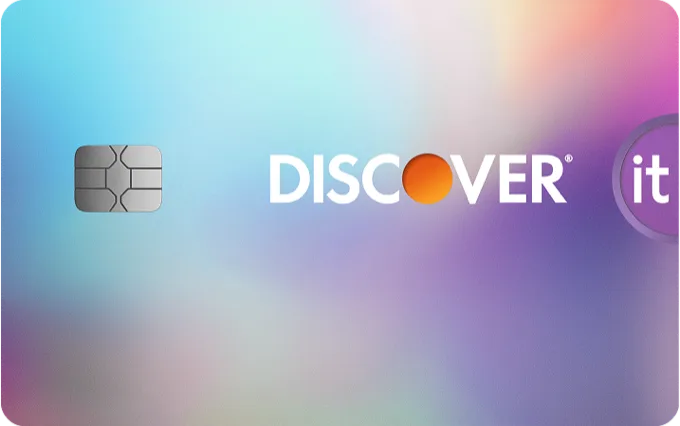
- Discover it Student Cash Back: no annual fee; 5% in rotating quarterly categories you activate, 1% on everything else, and Discover matches all the cash back you earn in your first year. Discover asks that you be 18 or older, enrolled, and have an SSN or ITIN.
- Capital One Quicksilver Rewards for Students: no annual fee; 1.5% on every purchase and $50 after spending $100 in the first three months.
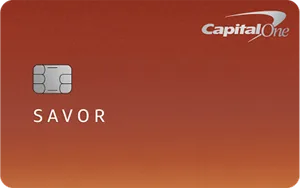
- Capital One Savor Student Rewards: no annual fee; 3% at grocery stores, on dining, entertainment and popular streaming, 1% elsewhere, and the same $50 bonus.
Starter cards for a thin file
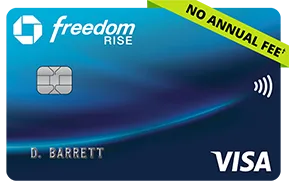
Chase Freedom Rise has no annual fee and earns 1.5% on all purchases. It gives a $25 statement credit if you enroll in automatic payments in the first three months and stay enrolled for 90 days. One drawback for newcomers: it charges a 3% foreign transaction fee, so don’t use it abroad or on purchases from overseas merchants.
SSN or ITIN?
Most applications ask for a Social Security number. Some banks also accept an Individual Taxpayer Identification Number, but practice differs and some banks’ pages contradict each other. Our New to the U.S. guide lists what each bank’s website says.
Building credit in the first year
The CFPB’s advice is short, and it works:
- Pay every bill on time. Set up autopay for at least the minimum.
- Keep your balance below 30% of your limit. On a $500 limit, that’s under $150 when the statement closes.
- Don’t apply for several cards at once. Each application can appear on your report.
- Keep your first card open. The age of your oldest account helps your score.
After six to twelve months of on-time payments, many people qualify for regular no-fee cards with better rewards.
 Capital One