Credit cards that pay more when you use Apple Pay or another mobile wallet
Most cards earn the same whether you tap your phone or the plastic. Apple Card pays 2% with Apple Pay and 3% at select merchants. What to know first.
Almost every credit card earns exactly the same rewards whether you pay with the physical card or tap your phone. Among the cards we track, only one open to new applicants pays a higher rate for using a mobile wallet: Apple Card, which earns 2% Daily Cash with Apple Pay instead of 1% with its titanium card, and 3% at Apple and a short list of merchants. The other notable example, the U.S. Bank Altitude Reserve, pays 3x on mobile wallet purchases but wasn’t among the cards on U.S. Bank’s credit card page at the time of writing.
Which cards pay more with Apple Pay or other mobile wallets?
| Card | Mobile wallet rate | Rate without the wallet | Annual fee |
|---|---|---|---|
| Apple Card | 2% with Apple Pay; 3% at Apple and select merchants with Apple Pay | 1% with the titanium card | $0 |
| U.S. Bank Altitude Reserve | 3x on the first $5,000 in mobile wallet purchases each billing cycle | — | not shown on U.S. Bank’s card page |
For comparison, a flat-rate card pays its rate however you pay:
| Card | Rate, wallet or plastic | Annual fee |
|---|---|---|
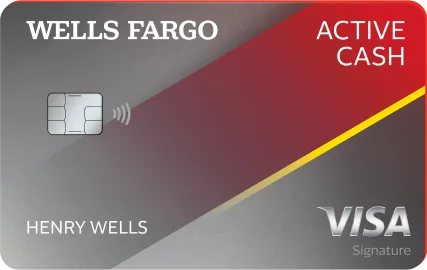
| Wells Fargo Active Cash | 2% | $0 |
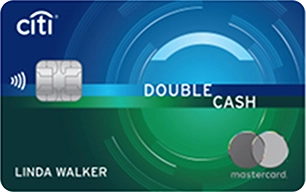
| Citi Double Cash | 2% (1% when you buy, 1% as you pay) | $0 |
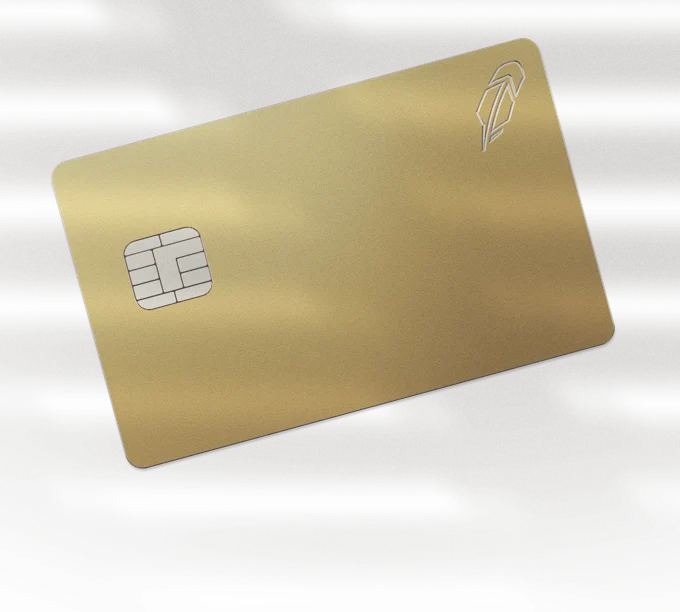
| Robinhood Gold Card | 3% | $0, with a $50-a-year Robinhood Gold membership |
How Apple Card’s wallet bonus works
Apple Card pays Daily Cash at three rates:
- 3% at Apple, and with Apple Pay at Ace Hardware, Booking.com, ChargePoint, Duane Reade, Exxon Mobil, Hertz, Nike, Uber, Uber Eats and Walgreens. Each merchant has exclusions; Walgreens drive-thru purchases and online gift cards don’t count, and Hertz counts only at corporate locations.
- 2% on other purchases made with Apple Pay.
- 1% on purchases made with the titanium card.
You can use Apple Pay in stores wherever you see the contactless payment symbol, and online or in apps that show the Apple Pay button. Apple Card charges no annual, late or foreign transaction fees. Our full Apple Card review runs the numbers on a typical budget.
The catch: the 2% rate is only as good as a flat 2% card that pays the same everywhere. Apple Card wins over the Active Cash or Double Cash only if most of your spending goes through Apple Pay and some of it lands at the 3% merchants, or if you travel abroad, where the Active Cash charges a 3% foreign fee and Apple Card charges none.
How the Altitude Reserve’s wallet bonus works
U.S. Bank’s program rules for the Altitude Reserve pay 3 points per dollar (1 base and 2 bonus) on mobile wallet transactions, on the first $5,000 each billing cycle; above that, purchases earn 1 point per dollar for the rest of the cycle. For this benefit, U.S. Bank defines a mobile wallet as Apple Pay, Google Wallet and Samsung Pay. If a purchase counts as both travel and mobile wallet, it earns the bonus once.
U.S. Bank’s FAQ adds a warning worth reading even if you don’t hold this card: a payment through Google Pay may not qualify as a mobile wallet transaction, depending on how it’s completed, and U.S. Bank says it can’t control how merchants designate wallet transactions. In other words, a wallet bonus depends on how the purchase is coded, not just on what you tapped.
Does paying with your phone change your category bonuses?
On a card without a wallet bonus, no. A restaurant purchase earns your card’s dining rate whether you use the plastic or your phone, because the bonus follows the merchant, not the payment method. Our guide to what counts as dining explains how merchant categories decide your rate.
Is paying with a mobile wallet safer?
Apple says your actual card number isn’t stored on Apple’s servers or shared with merchants. Apple Pay uses a device-specific number instead, so a merchant never sees your real card number, in stores, online or in apps. That’s a reason to use a wallet even on cards that earn no bonus for it.
Which card should you use with Apple Pay?
- If you use Apple Pay almost everywhere and travel abroad: Apple Card. 2% at home, 3% at listed merchants, no foreign fee.
- If you sometimes pay with plastic: a flat 2% card such as the Active Cash or Double Cash earns 2% either way, while Apple Card drops to 1%.
- If you spend more than about $5,000 a year and use Robinhood: the Robinhood Gold Card’s 3% beats Apple Card’s 2% everywhere, wallet or not, after its $50 membership. Our flat-rate list compares these cards side by side.
Who shouldn’t change cards for a wallet bonus
- You don’t use an iPhone. Apple Card’s bonuses require Apple Pay.
- Many places you shop don’t take contactless payments. Every purchase on the titanium card earns 1%.
- You already have a 2% card and don’t travel abroad. Apple Card adds only the 3% merchants.
 Citi



