First credit card mistakes to avoid in your first year
The first credit card mistakes that cost the most: carrying a balance, paying late, maxing out a small limit, cash advances and closing your only card.

The first credit card mistakes that do the most damage are paying late, carrying a balance from month to month, and using most of a small credit limit. Each one either costs you interest or shows up on your credit report, and a late payment can stay there for years. The rest of this guide covers those three and a few quieter ones, with what to do instead.
Why the first year matters
FICO Scores weigh five things, according to myFICO: payment history (35%), amounts owed (30%), length of credit history (15%), new credit (10%) and credit mix (10%). With one card and a short file, every month of that card’s history counts for a lot. A clean first year is the cheapest way to qualify for better cards later.
Mistake 1: Paying a day late
Payment history is the largest part of a FICO Score. The CFPB says negative payment history can generally be reported for up to seven years. One missed due date can outlast the card itself.
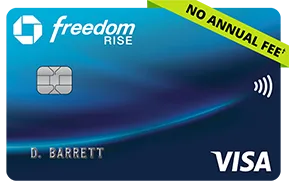
Do this instead: turn on automatic payments for at least the minimum the day the card arrives, then pay more by hand if you want. Some starter cards reward this. Chase Freedom Rise, for example, gives a $25 statement credit if you sign up for automatic payments in the first three months and stay enrolled for at least 90 days. If you can afford it, set autopay to the full statement balance rather than the minimum.
Mistake 2: Paying only the minimum
Paying the minimum keeps the account in good standing, but it isn’t free. The CFPB explains that a grace period lets you avoid interest on new purchases only if you pay the full balance by the due date. Pay less than that and you lose the grace period: you owe interest on what’s left, and new purchases start charging interest from the day you make them.
Do this instead: treat the card like a debit card. Spend only what you could pay off today, and pay the full statement balance every month.
Mistake 3: Using most of a small limit
Starter cards often come with limits of a few hundred dollars. If your limit is $500 and you spend $450 before the statement closes, the card reports that you’re using 90% of your available credit. Amounts owed is 30% of a FICO Score. The CFPB notes that many experts recommend staying below 30% of your total limit.
Do this instead: on a $500 limit, keep the balance under $150 when the statement closes. If you need to spend more, pay part of the balance before the closing date.
Mistake 4: Taking a cash advance
Withdrawing cash from an ATM with a credit card is a cash advance, not a purchase. The CFPB says grace periods typically apply only to purchases, so with a cash advance you generally start paying interest on the day of the transaction. Most cards also charge a separate cash advance fee, which you can find on the card’s pricing page.
Do this instead: use a debit card for cash.
Mistake 5: Applying for several cards at once
Getting turned down is discouraging, and some people respond by applying everywhere. The CFPB advises applying only for credit you need, because many applications in a short time can look like financial trouble to a lender. New credit is 10% of a FICO Score.
Do this instead: apply for one card, use it well for six to twelve months, then apply for the next.
Mistake 6: Closing your first card
Once you get a better card, it’s tempting to close the starter one. Length of credit history is 15% of a FICO Score, and your first card is your oldest account. The CFPB recommends keeping a long credit history. If the card has no annual fee, keeping it open usually costs nothing. Put a small recurring bill on it so it stays active, and check it now and then so no one else is using it.
There’s one exception: if it’s a secured card, you may want your deposit back. Several issuers review secured accounts and can convert them to regular cards, which returns the deposit without closing the account. Ask yours before you close anything.
Mistake 7: Using it abroad without checking the foreign fee
Many cards built for new borrowers charge a foreign transaction fee. Freedom Rise charges 3% of each transaction in U.S. dollars. That applies to purchases while traveling and to online purchases from merchants based outside the U.S. If you send money home or shop from overseas sites, it adds up.
Do this instead: check the card’s terms before you travel. If you’ll spend abroad often, look at cards with no foreign transaction fees once your history allows it.
Mistake 8: Never looking at your credit report
The FTC says the three nationwide credit bureaus let you check your report from each one for free once a week at AnnualCreditReport.com. Your first report is worth a look. It shows whether the card is reporting, and it lets you spot an account you didn’t open.
Do this instead: check one bureau’s report every few months, and dispute anything that isn’t yours.
The short version
Pay on time with autopay, pay the full statement balance, keep the reported balance under 30% of your limit, avoid cash advances, apply for one card at a time and keep your first card open. If you’re new to the country as well as to credit, our New to the U.S. guide covers SSNs, ITINs and which banks accept them.