What is a credit card welcome bonus? Spend requirements, timing and what counts
A welcome bonus pays you once for spending a set amount in your first months. What counts, when the clock starts, when it posts and who can't get it.

A credit card welcome bonus is a one-time reward, in cash back, points or miles, that you earn by spending a set amount on the new card within a set time after opening it. A typical offer reads like “75,000 points after you spend $5,000 on purchases in the first 3 months.” Only purchases count: balance transfers, cash advances, fees and interest don’t. The bonus usually posts weeks after you qualify, and you may not be eligible if you’ve had the card before. Plan the spending before you apply, not after.
How does a welcome bonus work?
Every offer has three parts: the reward, the spending requirement and the time window. Here are offers listed on issuers’ pages at the time of writing:
| Card | Welcome offer | Spend per month to qualify |
|---|---|---|
| Chase Sapphire Preferred® | 75,000 points after $5,000 in purchases in the first 3 months | About $1,667 |
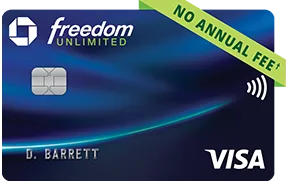
| Chase Freedom Unlimited® | $200 after $500 in purchases in the first 3 months | About $167 |
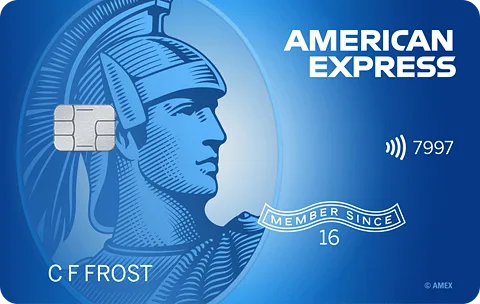
| Blue Cash Everyday® | $150 cash back after $2,000 in purchases in the first 6 months | About $334 |
| United℠ Explorer | 70,000 miles after $3,000 in 3 months, plus 10,000 for adding an authorized user in 3 months | About $1,000 |
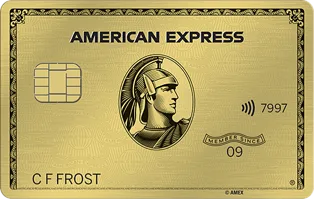
Some offers are structured differently. Discover it® Cash Back matches all the cash back you earn in your first year at the end of that year, and also lists a $200 statement credit after $500 in the first 3 months when you apply through Discover’s page. American Express says Gold Card offers vary by applicant, as high as 100,000 points after $8,000 in the first 6 months, and you see yours when you apply.
What is a welcome bonus worth?
It depends on the currency. Cash bonuses are worth what they say. Points and miles are worth what the program pays: Chase Ultimate Rewards points are worth 1 cent each as cash back, so 75,000 points is $750. Airline miles like United’s have no published fixed cash value. We don’t count points at more than the program’s own rate; see how PerkTips values points and miles.
A large bonus on a card with an annual fee is a first-year benefit only. Our guide to whether an annual fee card is worth it shows how to judge the card on year two.
What counts toward the spending requirement?
Purchases. Chase’s offer terms for the Sapphire Preferred list what doesn’t count; other issuers publish their own lists:
- Balance transfers and cash advances
- Cash-like transactions: travelers checks, foreign currency, money orders, wire transfers
- Lottery tickets, casino gaming chips, race track wagers and similar betting, online or offline
- Person-to-person money transfers and account-funding transactions
- Checks that access your account
- Interest, fees (including the annual fee), and unauthorized or fraudulent charges
Returns reduce your total. Chase counts purchases “minus returns or refunds,” so a big purchase you send back stops counting toward the bonus. Read your own card’s offer terms; the list is usually in the fine print under the offer or in the rewards terms.
When does the clock start?
Usually on the account opening date, not the day the card arrives. Chase’s offers say “the first 3 months from account opening.” American Express’s Blue Cash Everyday offer says “the first 6 months of Card Membership.” The difference between the approval date and the day the card shows up in the mail can eat a week or more of your window, so check the date in your online account.
When does the bonus post?
Not right away. Chase says to allow 6 to 8 weeks after you qualify for the Sapphire Preferred bonus to post. Chase also says the account must be open and not in default when the bonus is fulfilled. Don’t close the card or miss a payment while you wait.
Who isn’t eligible for a welcome bonus?
Issuers set rules on who gets the bonus, and they’re in the offer terms. For the Sapphire Preferred, Chase says:
- The card isn’t available to you if you currently have one open.
- The bonus may not be available if you previously held the card.
- Chase may consider the number of cards you’ve opened and closed in deciding bonus eligibility.
American Express has its own rules; see our guide to Amex welcome offer eligibility. Switching an existing card through a product change usually won’t earn one either; Capital One, for example, says product changes may not be eligible for bonuses.
How to meet the spending requirement without overspending
- Time the application. Apply before a planned expense you’d pay anyway: insurance premiums, a repair, a trip, school costs.
- Move regular bills to the card, if the biller accepts cards without a fee that eats the reward.
- Divide the requirement by the months. If $5,000 in three months is more than your normal spending, pick a card with a smaller requirement.
- Pay it off every month. Interest on a carried balance can cost more than the bonus is worth; see our guide to the grace period.
- Avoid spending that doesn’t count. Returns come off your total, and account-funding transactions and money transfers are excluded.
Is chasing welcome bonuses a good idea?
In our view, for someone who pays in full and opens cards occasionally, a welcome bonus is often the most valuable thing a new card offers in its first year. The risks are spending more than you would have, carrying a balance, and the effect of new accounts and credit checks on your score; see hard vs soft credit inquiries and credit utilization and your credit score. Skip a bonus that would push you into spending you can’t pay off by the due date. Newly launched cards and their offers are listed on our new cards page.