Metal credit cards: which cards are metal, and does it matter?
Sapphire Reserve, Amex Gold, Business Platinum and Apple Card come in metal or titanium. What a metal card changes (weight, disposal) and what it doesn't.
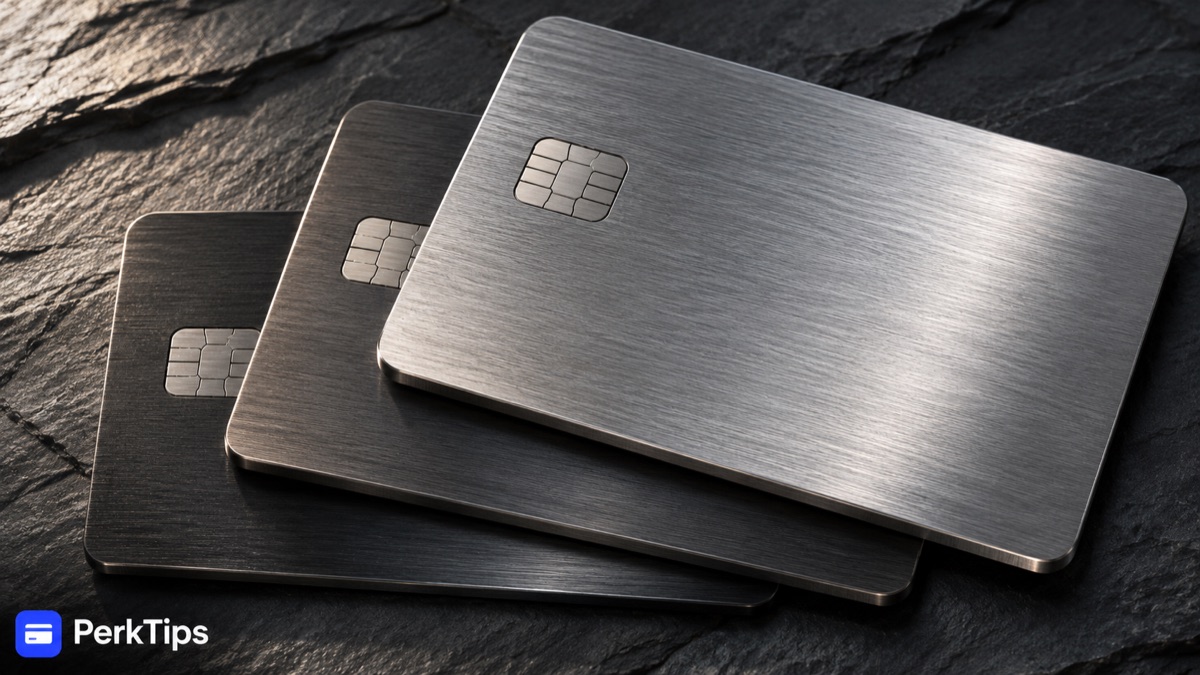
A metal credit card is heavier and harder to destroy than a plastic one, and that’s about all it changes. The material has no effect on your rewards, fees, credit limit or credit score. Among the cards where the issuer itself says the card is metal are the Chase Sapphire Reserve®, the American Express® Gold Card, the Business Platinum Card®, the Graphite™ Business Cash Unlimited and the U.S. Bank Business Essentials™ Plus; the Apple Card is titanium.
What makes a card “metal”?
Chase explains that most cards are polyvinyl chloride (PVC) plastic, and that a plastic card weighs about 5 grams while most metal cards weigh 13 to 18 grams. The size and thickness are the same either way: every card follows the ISO standard of 0.76 mm (0.0299 inches) thick, so a metal card fits the same readers, terminals and wallets.
Which credit cards are metal?
We list only cards whose issuer describes the card as metal on its own pages or in its own announcements.
| Card | Annual fee | What the issuer says |
|---|---|---|
| Chase Sapphire Reserve | $795 | 2025 redesign with engraved logos on a “heavier metal veneer” |
| Sapphire Reserve for Business | $795 | Same metal veneer, with a pinstripe-inspired design |
| American Express Gold Card | $325 | A metal Gold Card in rose gold began as a limited edition and became a permanent option |
| Business Platinum Card | $895 | Choice of “classic metal or mirror” design when you apply |
| Graphite Business Cash Unlimited | $295 | “Carbon fiber-inspired metal Card design,” launched in 2026 |
| U.S. Bank Business Essentials Plus | $295 | Labeled “Metal card” on U.S. Bank’s business card page |
| Apple Card | $0 | Titanium card with laser etching and no printed numbers |
Annual fees are from each issuer’s page at the time of writing. Other cards may also be metal; if the issuer doesn’t say so, we don’t list them.
Does a metal card matter?
Not financially. A metal card earns the same rewards, carries the same fee and reports to the credit bureaus the same way as a plastic card on the same account. The cards on this list are metal because issuers use the material on cards they want to feel premium, and several of them have high annual fees. Choose a card for what it earns and costs. Our guide to whether an annual fee is worth it walks through that test.
There are a few practical differences:
- Weight: two or three times the weight of a plastic card.
- Design choices: Amex offers color or finish options on some cards, such as the rose gold Gold Card or the mirror Business Platinum.
- No numbers on the card: the Apple Card has no visible numbers on the front or back; you find them in the Wallet app.
- Disposal: you can’t cut a metal card with household scissors.
Does a metal card say anything about your credit?
No. The issuer decides approval and your credit limit from your application and credit report, the same way it would for any card. The material is a feature of the product, not of your account, so two people with very different credit limits get the same card. A metal card in your wallet also isn’t a sign of a good credit score; the Apple Card, with no annual fee, is titanium.
If you’re comparing a metal card with a plastic one, set the material aside and compare what matters: the annual fee, the earning rates on your own spending, the foreign transaction fee and the credits you would actually use.
How do you dispose of a metal credit card?
Return it to the issuer. Chase says metal cards are much harder to destroy than plastic and recommends sending them back to your issuer for safe disposal. Issuers handle it in different ways:
- Capital One: metal cards can be mailed back in the prepaid return envelope that comes with a replacement card.
- American Express: its Canadian help center says metal card replacement and renewal packages include a postage-paid return envelope. Call the number on the back of the card if yours doesn’t.
- Chase: call customer service to ask how to return the card.
Don’t put a metal card in the trash whole, since the number and chip on it are intact.
The bottom line
A metal card is a design choice, not a feature. If two cards earn the same, the metal one isn’t better. If a metal card earns more for your spending, it’s better for that reason. Compare cards by rewards and fees on our card comparison tool.
Cards in this article
 ChaseChase Sapphire Reserve100,000 points
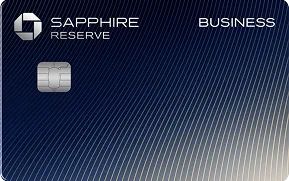 ChaseSapphire Reserve for Business200,000 points
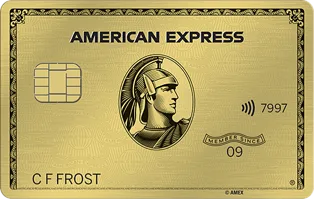 American ExpressAmerican Express GoldUp to 100,000 points
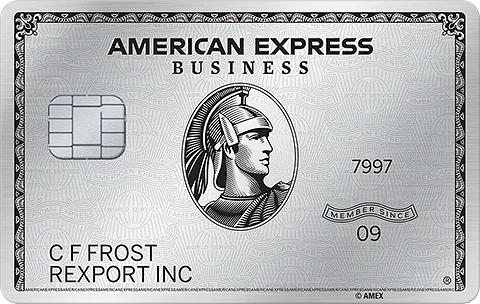 American ExpressBusiness PlatinumAs high as 300,000 points
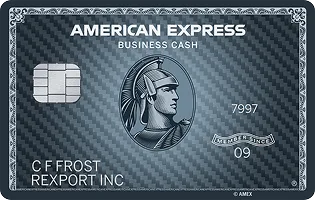 American ExpressGraphite Business Cash UnlimitedAs high as $2,000 cash back
 U.S. BankU.S. Bank Business Essentials Plus Visa Signature$1,000 bonusAppleAppleNo current bonus
 U.S. Bank
Sources
- Chase: The new Chase Sapphire Reserve and Sapphire Reserve for Business (newsroom)
- Chase: What are the dimensions of a credit card?
- Chase: What to do with expired or old credit cards
- American Express: The Gold Card celebrates six decades of style (newsroom)
- American Express: Business Platinum Card
- American Express: Graphite Business Cash Unlimited launch (newsroom)
- American Express Canada: How do I return my metal Card for destruction?
- Capital One: Credit card expiration dates
- U.S. Bank: Business credit cards
- Apple: Apple Card



