Can you get a credit card with an ITIN? How to apply without an SSN
Yes, some U.S. banks accept an ITIN instead of an SSN. Which banks say so, what else they ask for, and which cards to apply for first.
Yes, you can get a credit card with an ITIN at some U.S. banks. Capital One names specific cards you may be able to get with one, Citi lists an SSN or ITIN as a requirement, and Wells Fargo says either number is required to apply for credit. Other banks are silent or contradict themselves. An ITIN gets your application read; approval still depends on your income, address and credit history, and with no U.S. history your first card will usually be a secured or starter card.
What an ITIN is, and what it isn’t
The IRS issues the Individual Taxpayer Identification Number for federal tax purposes only. It’s a nine-digit number for people who need a U.S. taxpayer number but aren’t eligible for a Social Security number, and you can apply regardless of immigration status. You apply with Form W-7, by mail or in person.
The limits matter. The IRS says an ITIN doesn’t authorize you to work in the U.S., doesn’t qualify you for Social Security benefits and doesn’t change your immigration status. You also need a federal tax purpose to get one, so it isn’t something you can request only to apply for credit.
Keep it active. Capital One’s guide notes that an ITIN can expire if it isn’t used on a federal tax return at least once every three years, and the IRS says to renew an expired ITIN when you need to file.
Which banks accept an ITIN for credit cards
Here’s what each bank’s own pages say. “Not stated” means we couldn’t find an answer on the bank’s site, not that the answer is no.
| Bank | What its pages say |
|---|---|
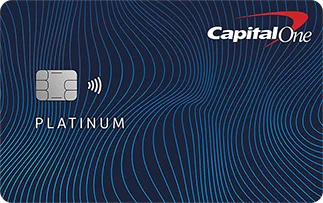
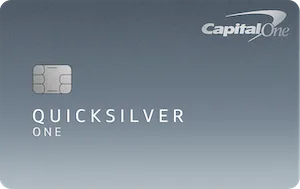
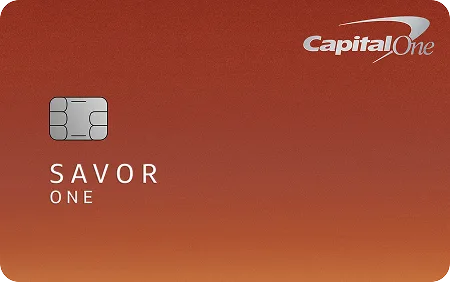
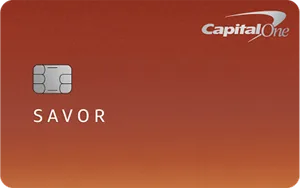
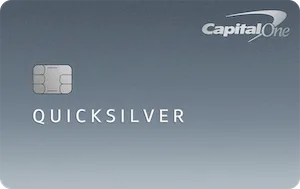
| Capital One | Has cards you “may be able to get with an ITIN”: Platinum Secured, Quicksilver Secured, Platinum, SavorOne, Savor Student, QuicksilverOne and Quicksilver Student. |
| Citi | Its article on card requirements lists an SSN or ITIN. |
| Wells Fargo | An SSN or ITIN is required to open bank accounts and apply for credit. |
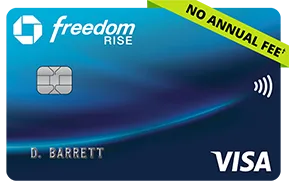
| Chase | Conflicting. The Freedom Rise page asks for “SSN and/or ITIN”; Chase’s article on student cards says an SSN is generally needed. |
| American Express | Its transfer process for existing Amex cardmembers moving to the U.S. accepts an SSN or ITIN. For ordinary new applications: not stated. |
| U.S. Bank | Secured cards can be upgraded to unsecured only for customers with an SSN. ITIN holders can keep using the secured card. |
| Bank of America, Discover | Not stated on the pages we read. |
Capital One’s list is the most specific, so it’s a sensible place to start. Its cards on that list include Platinum from Capital One (no annual fee, no rewards, no foreign transaction fee), QuicksilverOne (1.5% on every purchase, $39 a year) and SavorOne (3% at grocery stores and on dining, $39 a year). Students can look at Savor Student and Quicksilver Student, both with no annual fee.
What else you’ll be asked for
Capital One says an ITIN application is generally similar to one with an SSN. You may be asked for your legal name, date of birth, address, proof of income, employment status and foreign credit history. Citi adds that you must be at least 18, that applicants aged 18 to 20 generally need their own income, and that you need a physical address where you live, not just a P.O. box.
If you have no U.S. credit history
An ITIN doesn’t come with a credit file, so look at cards built for people without one:
- A secured card. Capital One’s Platinum Secured takes a refundable deposit of $49, $99 or $200 and says no credit score is required to apply. It’s on Capital One’s ITIN list.
- A starter card. Chase Freedom Rise has no annual fee, earns 1.5% and is built for people new to credit. It asks for an SSN and/or ITIN, but given Chase’s mixed messages, read the application before you start. It charges a 3% foreign transaction fee.
- An Amex transfer. If you already hold an American Express card issued in another country, Amex’s process for people moving to the U.S. accepts an ITIN. You must be the primary cardholder and have held the card at least three months.
Wells Fargo also suggests having a U.S. family member with good credit co-sign a loan, which reports on both your credit files.
If you get an SSN later
If you later become eligible for a Social Security number, for example through a job, tell your card issuer. At U.S. Bank, it’s the difference between staying on a secured card and being able to upgrade. Students should read our guide to credit cards for international students, which covers how F-1 students get an SSN through an on-campus job.
Whatever card you get first, the habits are the same: pay on time, keep the balance low and apply for one card at a time. For the secured route, see how to graduate from a secured card.
Cards in this article
 Capital One
Sources
- IRS: Individual Taxpayer Identification Number (ITIN)
- Capital One: What is an ITIN?
- Citi: Requirements for a credit card
- Wells Fargo: How to build credit when new to the U.S.
- Chase Freedom Rise
- Chase: Does Chase offer a student credit card?
- American Express: Moving to the United States
- U.S. Bank: Can I upgrade my secured card without an SSN?
- Capital One: Platinum Secured



